Change Is Hard

…but change is certain.


11 Comments

Our work in DC

Time is sliding away again, as it does, and I want to tell you about our time at the end of September in Washington DC.
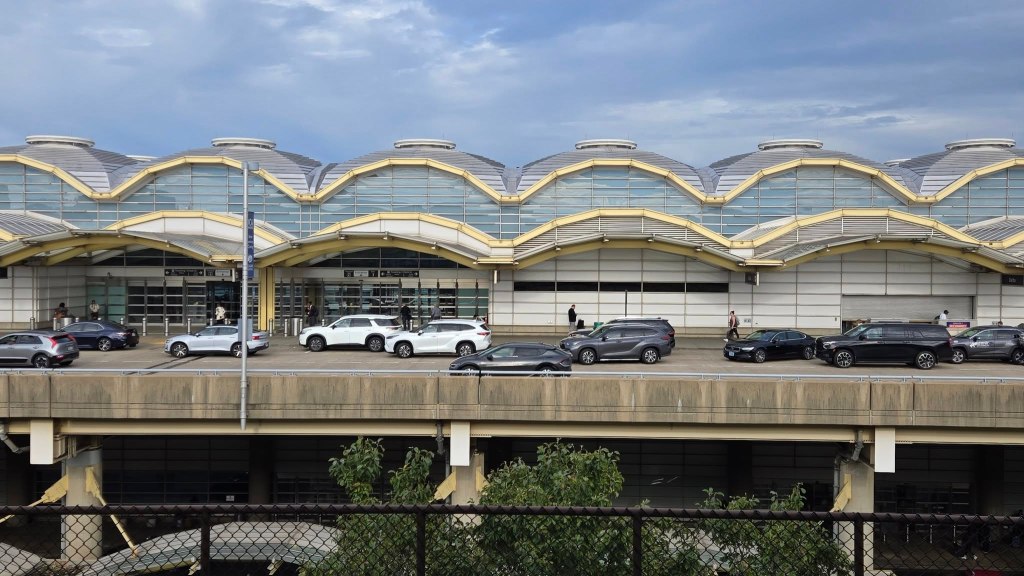
Reagan National Airport from the Metro platform.

This year we did something different in that we combined the big fundraising dinner with our biannual Sorrow to Strength conference. We’ve been doing the conference for as long as I’ve been with the Truck Safety Coalition, more than 20 years. But we’ve only done the annual fundraising Gala twice before.
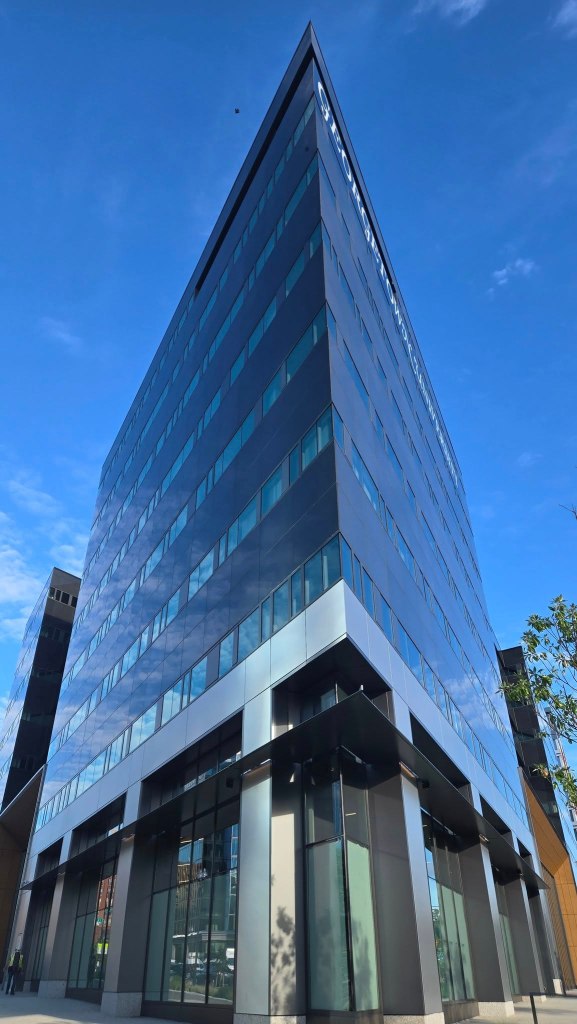
We were in town to make a point.

The objective in doing it all during the same weekend was to save everybody some money. The hotel gave us a discount for doing 2 events, back to back. And we, as volunteers would only have to pay to travel to DC once.
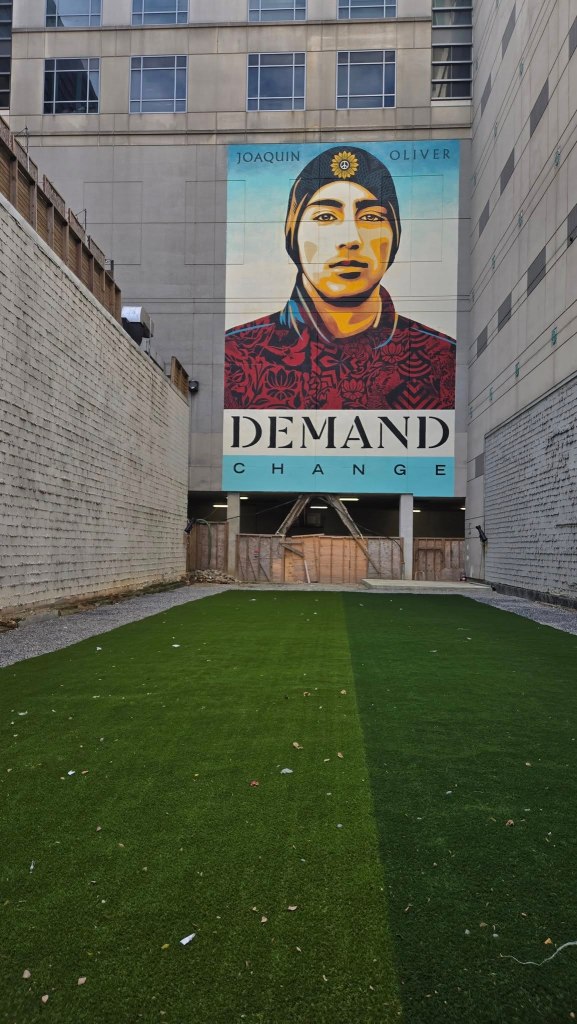
Change is hard.

The Gala, on Friday night, was fun, the food was delicious, and we raised a decent amount of money between sponsors and volunteer donations. But we still have a long way to go before we can say we’ve raised our entire annual budget –we’ll be scrambling at year end just like every year, but we’re getting better at finding funding sources.
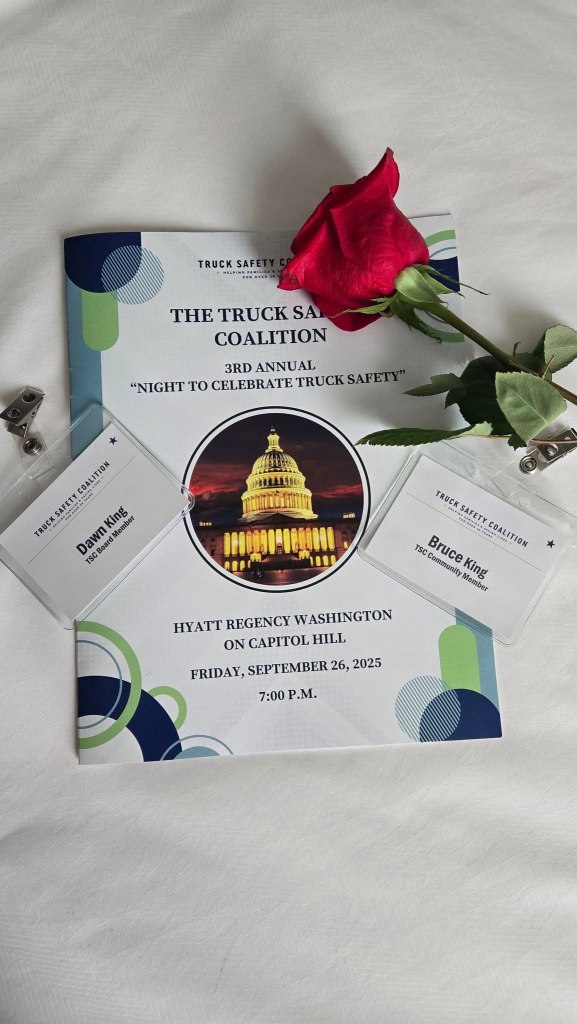
It was a lovely evening.

Satrday morning people were invited to attend a session where the staff and a few volunteers showed us the ‘roadshow’ they’ve been doing the last two years.
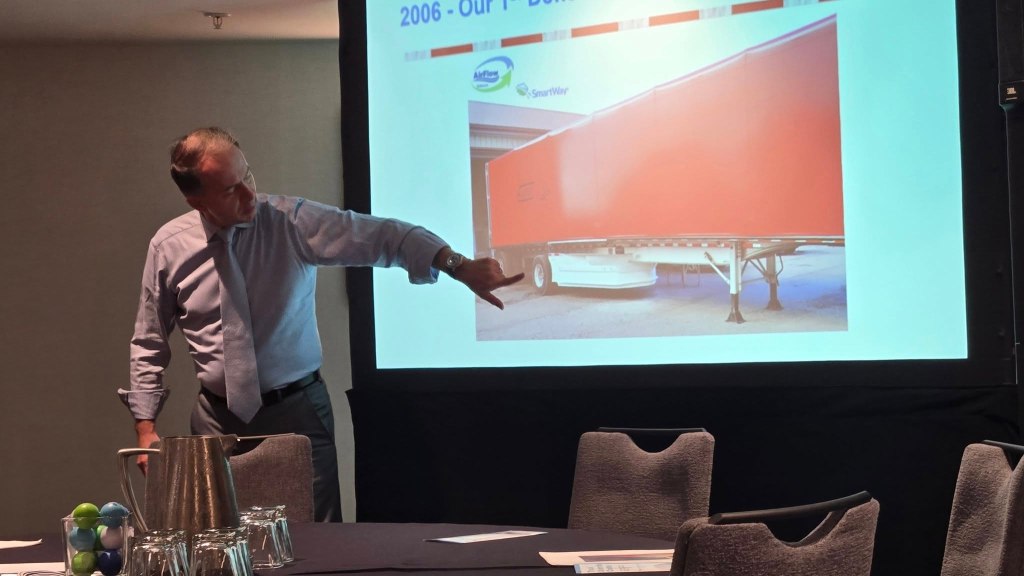
Showing us one of the very first underride guards built.

In 2023 we received a grant from the DOT (Department of Transportation) to meet with at least six police departments across the country and talk about underride crashes, and how to designate them on crash reports.

We and the DOT feel these types of crashes, where a passenger vehicle goes under a tractor trailer, are under reported, both because some police departments don’t know enough about them, and because on most police crash reports there is nothing to indicate underride.
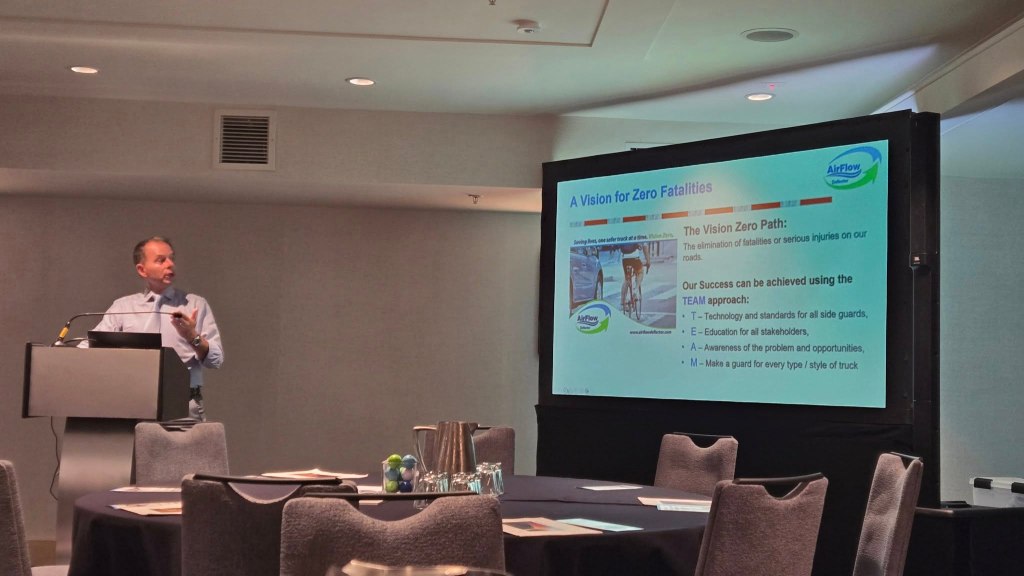
We dream about getting to zero.

We heard from a volunteer who had spoken at some of the shows, and with the manufactor of an underride guard that is being put on some trucks in some cities now. It was all very interesting and hopeful.
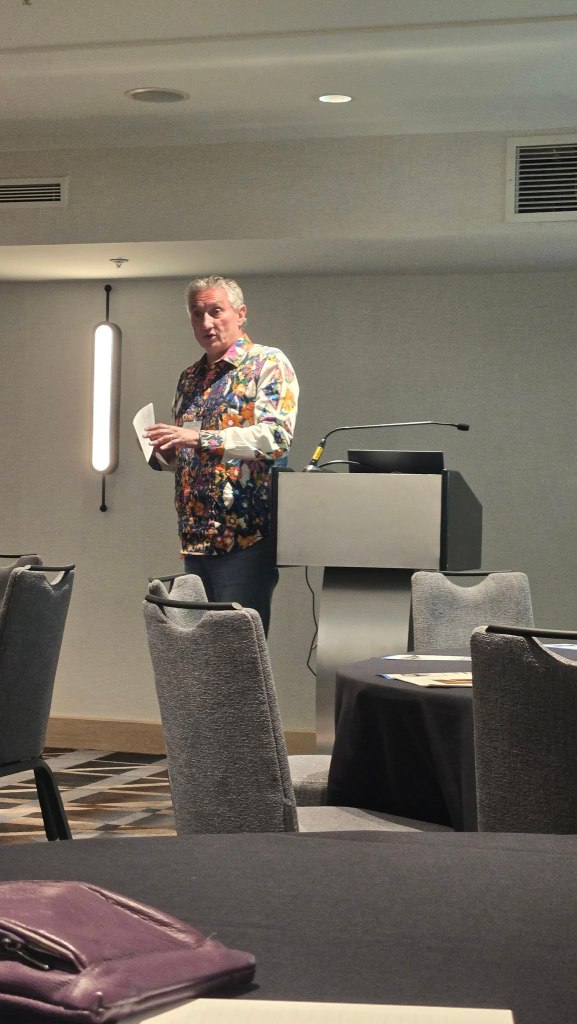
A Texas retired crash reconstructionist spoke at our road shows and our conference.

Then Saturday afternoon we met with the families and survivors and shared our stories. As usual this was a traumatic and overwhelmingly emotional time. This year there were so many new families. More than half of us in the room were there for the first time, and their families had suffered loss so recently.
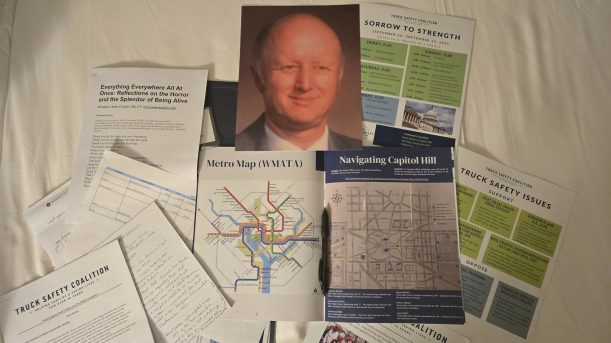
So much to learn at our conference.

It breaks my heart. We’re glad they found us, but we wish the trends were going down. They are not. More than 5500 people died in crashes with commercial trucks in 2023, the last year we have data for. Over 150,000 were injured.

And some if not all of the safety measured we’ve fought years for are being rolled back.

Sunday we learned about the issues, and there are many. We focused, though, on a couple we think we can make progress on. We think safety is nonpartisan, but not all issues are. The two we spoke most about certainly are.
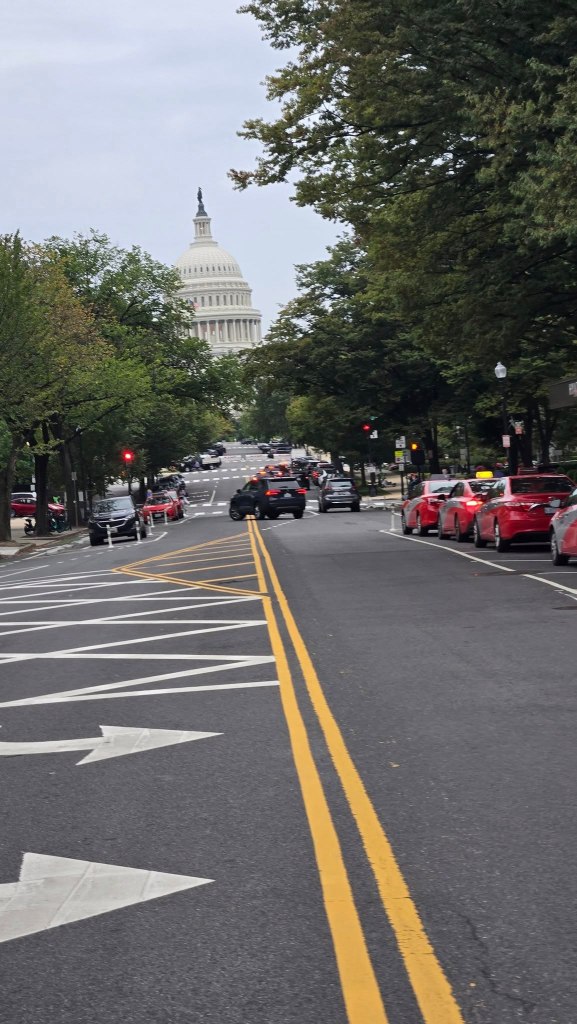
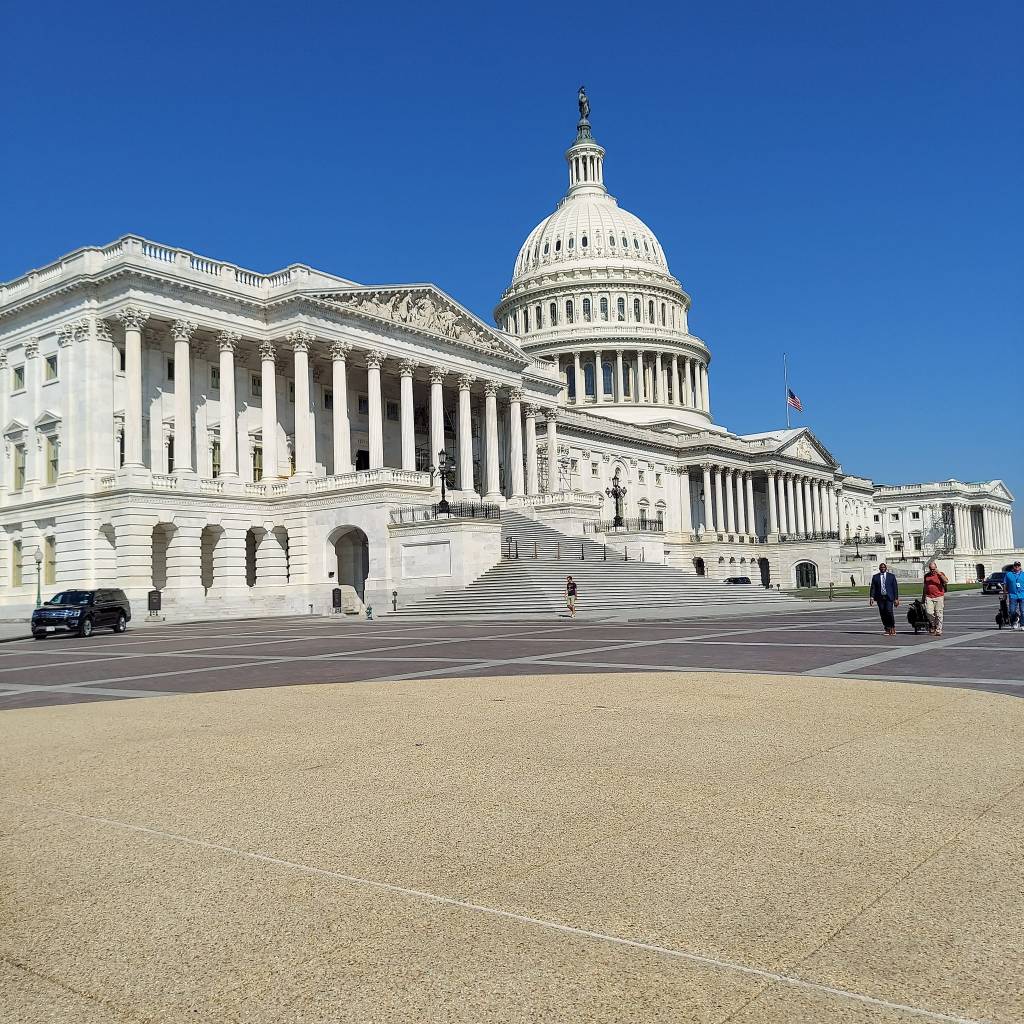
Just up the road from our conference hotel.

We think AEB (Automatic Emergency Braking) should be required to be included on all new builds of all sizes of commercial trucks. For awhile we actually had the DOT headed that way, but then the trucking industry pushed back and the smaller trucks, those like box trucks, dump trucks, utility trucks, were taken out of the rule. We want all trucks to be required to have AEB. There are all sorts of little delivery trucks running around our neighborhoods now. Why wouldn’t we want them to stop when someone pulls out of a driveway or a kid rides his bike across the road? AEB is already on many cars, people are getting used to it. Why not include it on all trucks?

And drug testing in fatal crashes. It’s already a thing that is supposed to happen. Companies are required to get their drivers tested if there is a fatal crash. But 40% of these drivers are NOT being tested. The companies just blow off the requirement and if caught pay a fine. In my dad’s case the driver was not tested. My dad, dead and at the morgue, had blood pulled and tested. Why, I don’t know. A 75 year old man, stopped in traffic, was tested for being impaired, but the driver of the truck that hit and killed him was not.

Then Monday we went to the Hill to talk to staffers about our issues. DC and the area around the Hill was uncharacteristically quiet. It was two days before the potential government shutdown. Members, if they were in town, were on the floors of their chambers. Staffers were nervous and preoccupied.
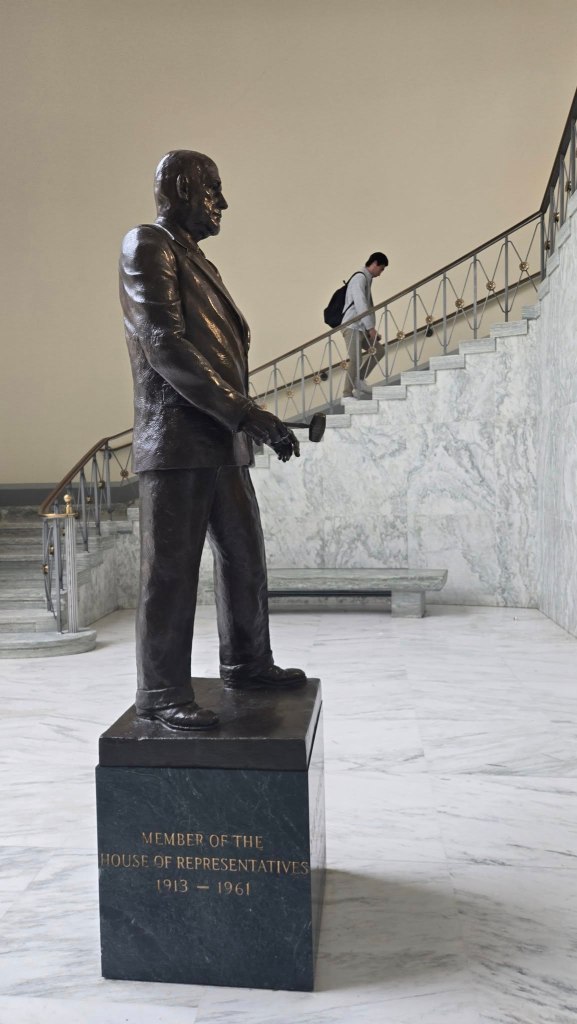
Everybody was worried and a bit discouraged too.

In addition to Hill meetings I was also lucky enough to attend and speak at a meeting with other volunteers and a TSC staff person at the DOT where I met the probable new Administrator for FMCSA (Federa Motor Carrier Safety Administration). He hasn’t been confirmed yet, but he likely will be. I think he’s going to be good, his background is police work and he said all the right things. But then, they all say all the right things in the beginning. I will reserve judgement until I see what he does.
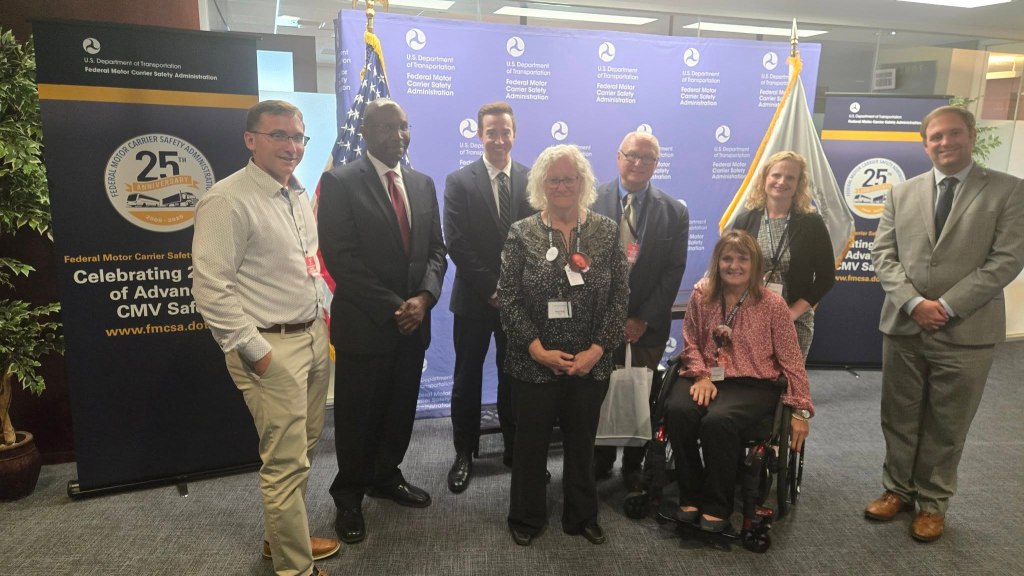
The Acting Administrator is not in this image…as he’s not confirmed yet.

Overall I think our meetings went well, or as well as we can expect in these times. Best of all? The new families rocked it. They moved out confidently, told their unimaginable stories of loss, and talked about our two issues (and any others that they felt called upon to talk about) with folks who have the ears of those who need to make the changes.
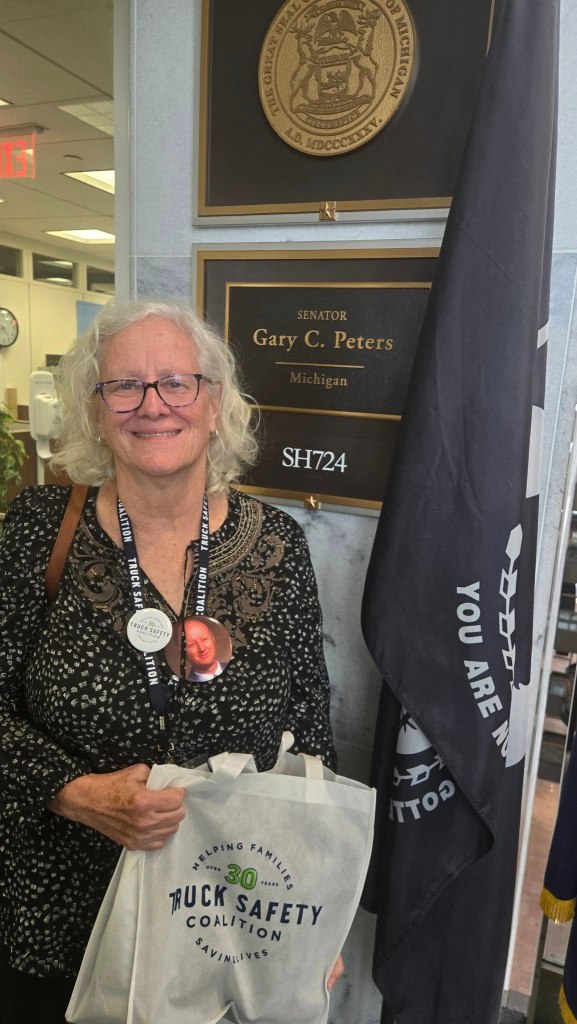
Sen. Peters is from my state, but he’s retiring which makes me sad.

That’s why it’s called Sorrow to Strength. They come to the conference in overwelming grief, they share that grief and it gets a tiny bit easier to bear among others like them. They learn some new skills, they practice those skills, and they go back out into the world a little stronger, more confident and maybe feeling less hopeless.

And that’s how our four days in Wasington DC went.
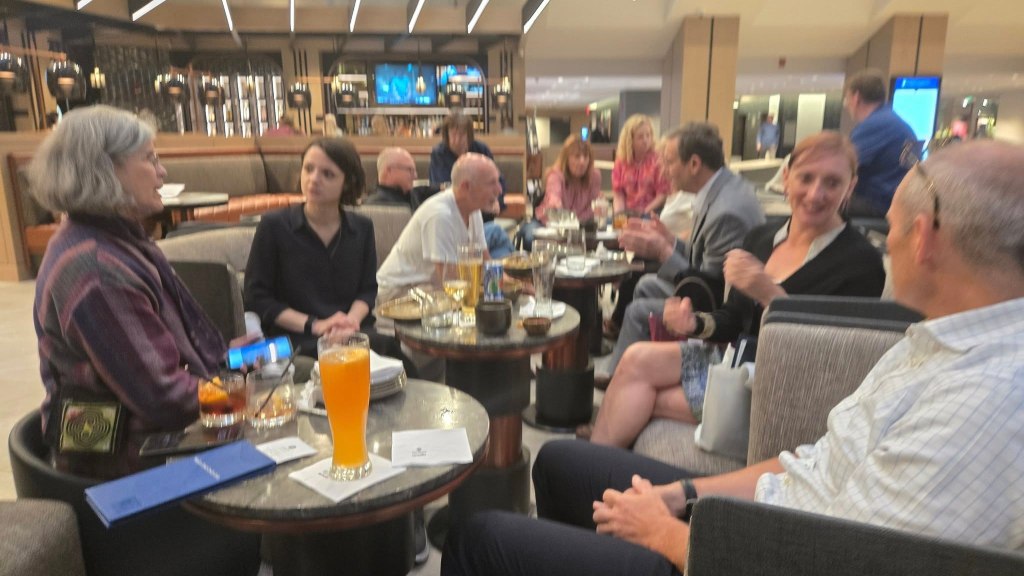
Part of our ‘debriefing’ after all our meetings were over. (No I hadn’t started drinking when I took this!)

Of course I’ll be asking for donations again during our Giving Tuesday campaign in November. And maybe next April for my birthday. But you can donate any time. Just go to trucksafety.org and push the DONATE button.

Dad and I thank you. And thanks for reading all of this.

39 Comments

The story continues

Some of you know I was in Washington DC last week, but do you know why? Long term readers might remember the story of my dad who was killed December 23rd of 2004 while slowed in traffic when he was hit from behind by a semi driven by a sleepy driver. I and other members of my family have been working on truck safety issues ever since.

Looking for change from our political leaders.

Last weekend the Truck Safety Coalition held our biannual Sorrow to Strength conference, where survivors and families of victims from across the country met, provided emotional support to each other, and became educated on the issues.

Saturday and Sunday we spent listening to each other and preparing for the meetings to come.

Working the halls of Congress.

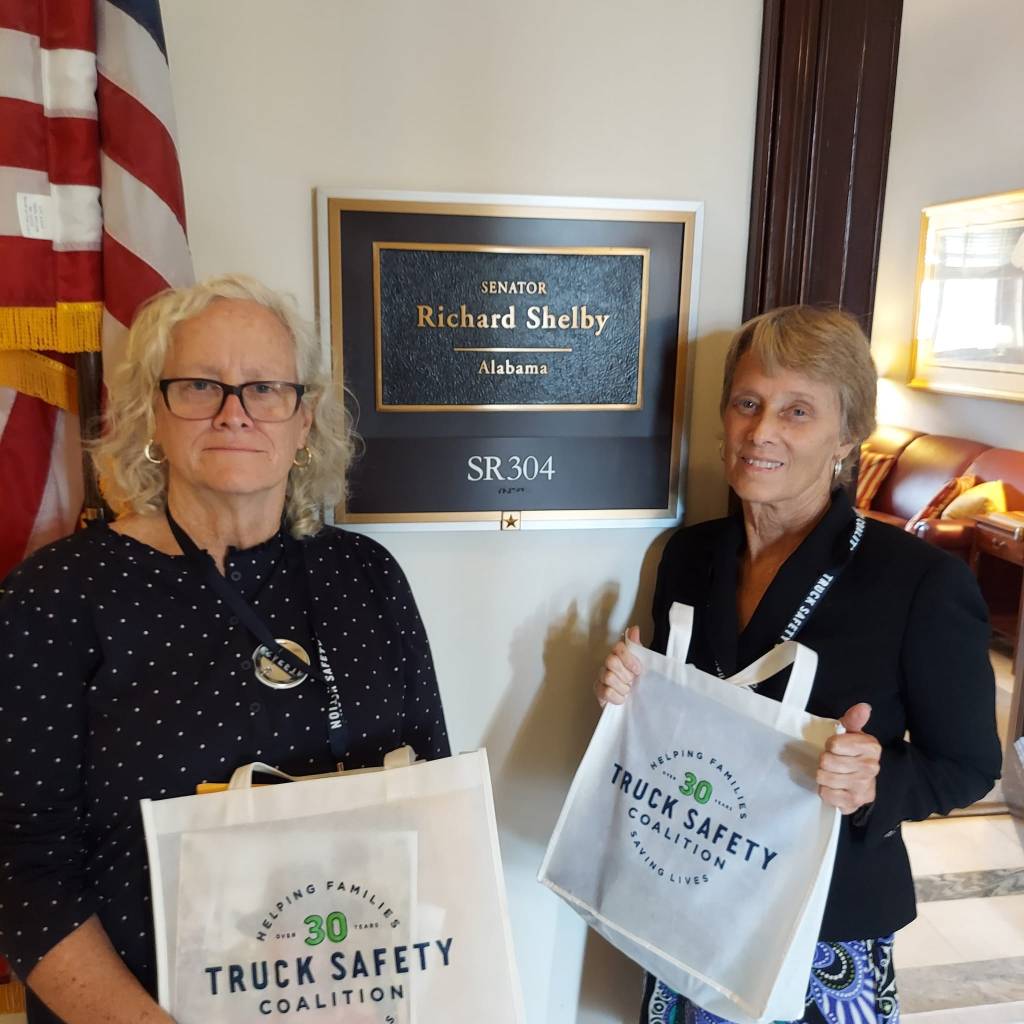
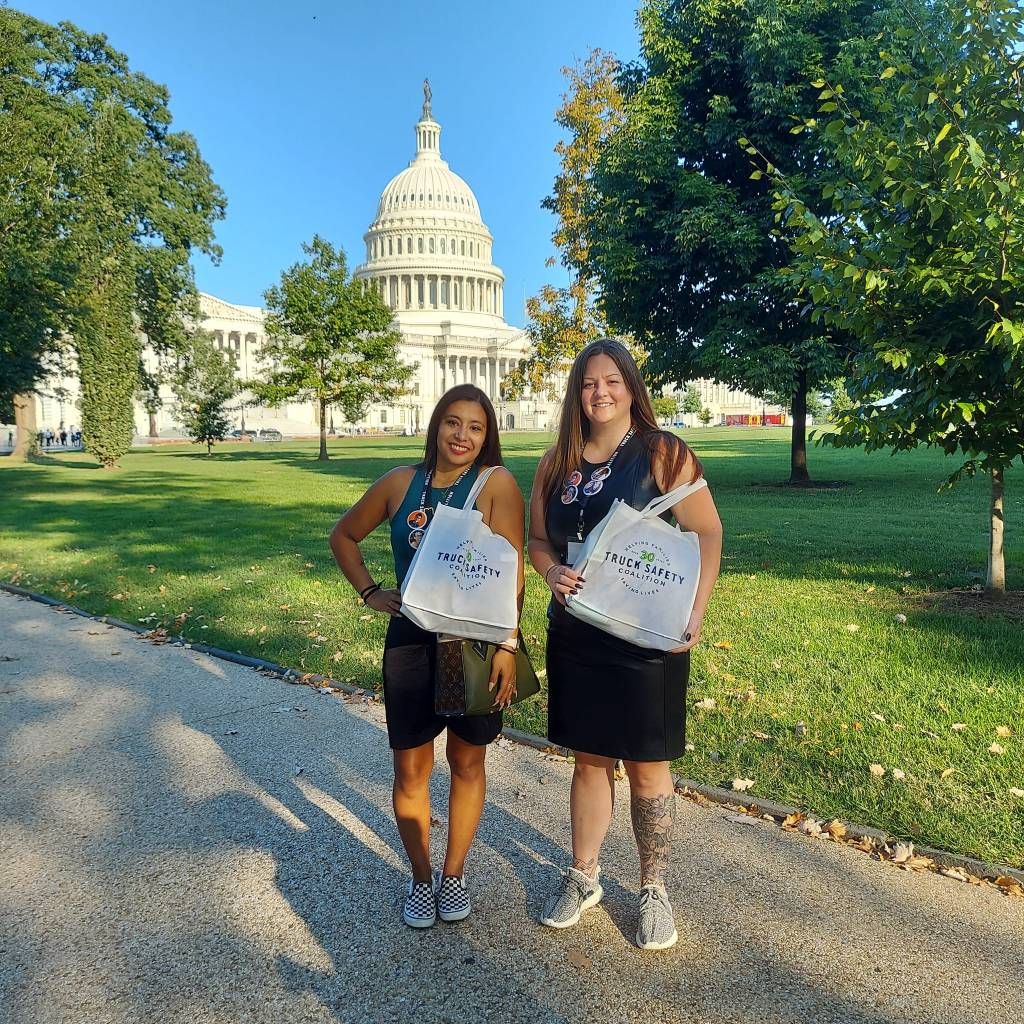
Monday and Tuesday we spread out in small groups across Capitol Hill, talking to staff and members of Congress about what happened to us, and the solutions we want implemented in order to save lives.

It is hard but necessary work.

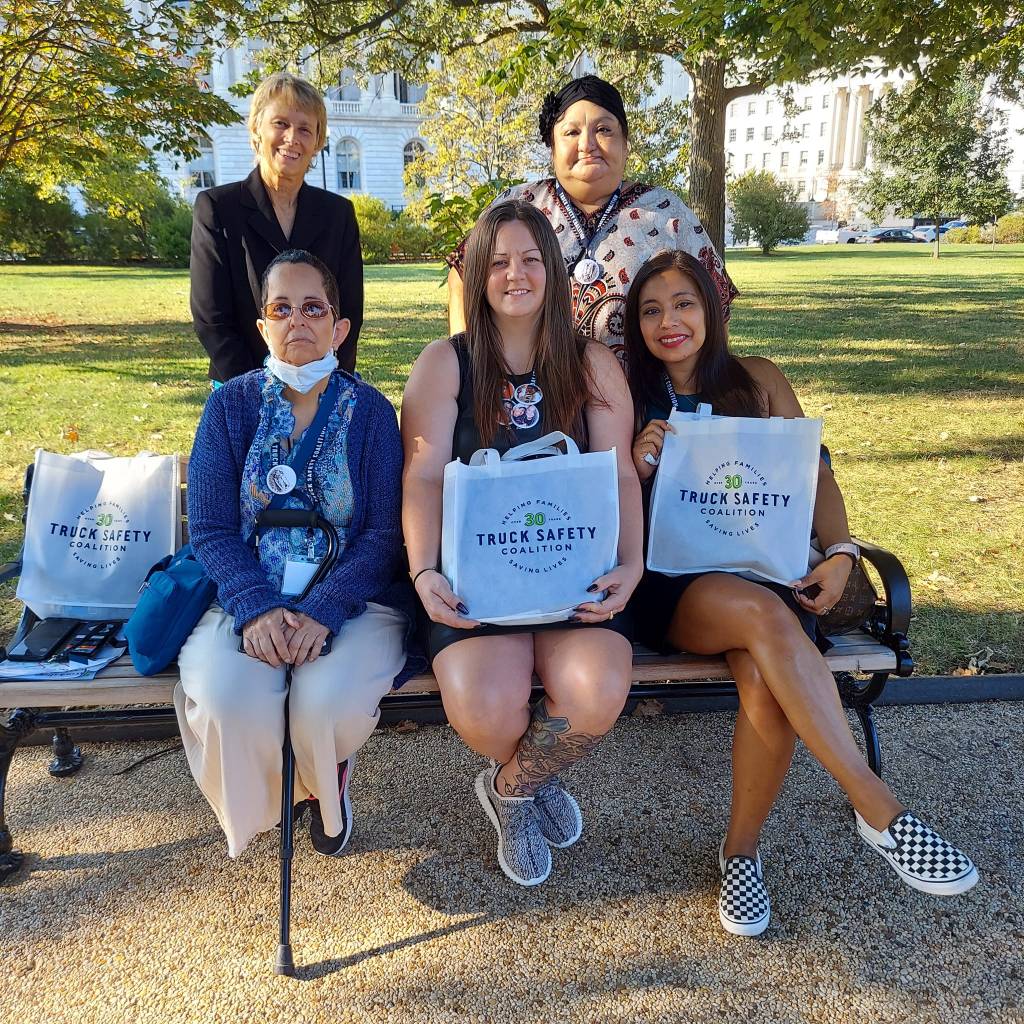
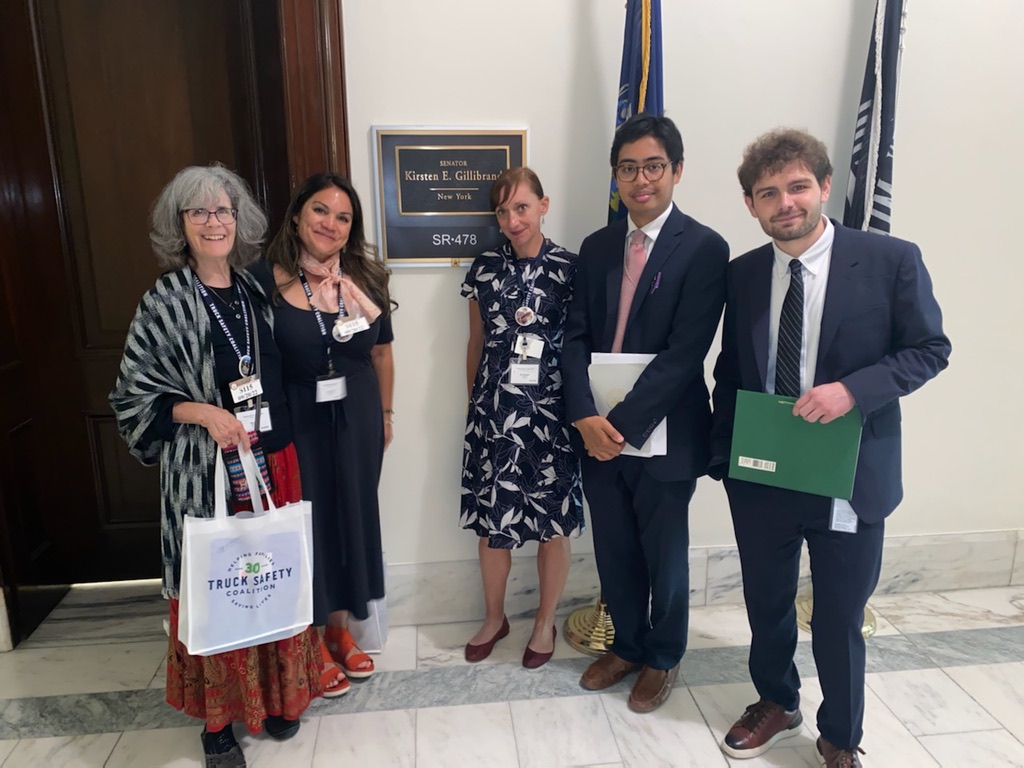
Some of us gathering before our first meetings.

Almost 5,600 people died in commercial truck crashes in 2021. That’s a 13% increase in fatalities over 2020. And over 146,000 people are injured every single year.

Obviously there is much work still to be done. To bring it down to a more human scale, let me tell you the stories of two women, each bearing the unimaginable consequences of the trucking industry’s drive for profits.

Sometimes the sheer size of government can make a person feel unimportant.

Alexandra is a young woman married only two years when she and her husband moved from Idaho to Atlanta where she planned to attend law school. Last November her husband was sitting at a red light when his vehicle was hit from behind by a semi. He is now paralyzed from the neck down and unable to do anything for himself. Alexandra and her mother-in-law have been taking turns sitting with him and advocating for his care in several hospitals and rehab facilities.

But our stories ARE important. My sister and me before her meeting.

She’s a strong woman, Alexandra. She talks about the crash, about the care she provides for her husband, about their impending move back to Idaho to be closer to family. But when she talks about fighting with insurance carriers and the almost $5 million in medical debts she and her husband now owe, she begins to cry.

We have to tell the world.

The minimum amount of liability insurance a carrier has to have is $750,000. That was set in 1980 and has never been increased over the more than 40 years since. Though there’s probably no amount of required insurance that would cover all of the medical costs for Alexandra and her husband, certainly they deserve to have their expenses covered. He deserves to get the best care and therapy available, and he won’t get that if they are on Medicaid.

He was sitting at a red light.

We all sit at red lights.

It’s OUR government, intended to work for all of us.

And then there’s Elise. Her four children were visiting their father in another state, driving to a relative’s house to enjoy summer fun in a backyard pool on a hot July day in 2020. Their dad slowed down entering a construction zone. The semi behind was driven by a man who was high on meth and fentanyl. He hit the family’s car going over 70 mph. It was pushed into the semi in front of them and then into the guard rail where it burst into flame. The children’s dad was pulled out of the car, badly burned. But no one could see the four children in the smoke and flames.

All four of Elise’s children died in that crash.

When I reflect on my life Dad’s death was pivotal.

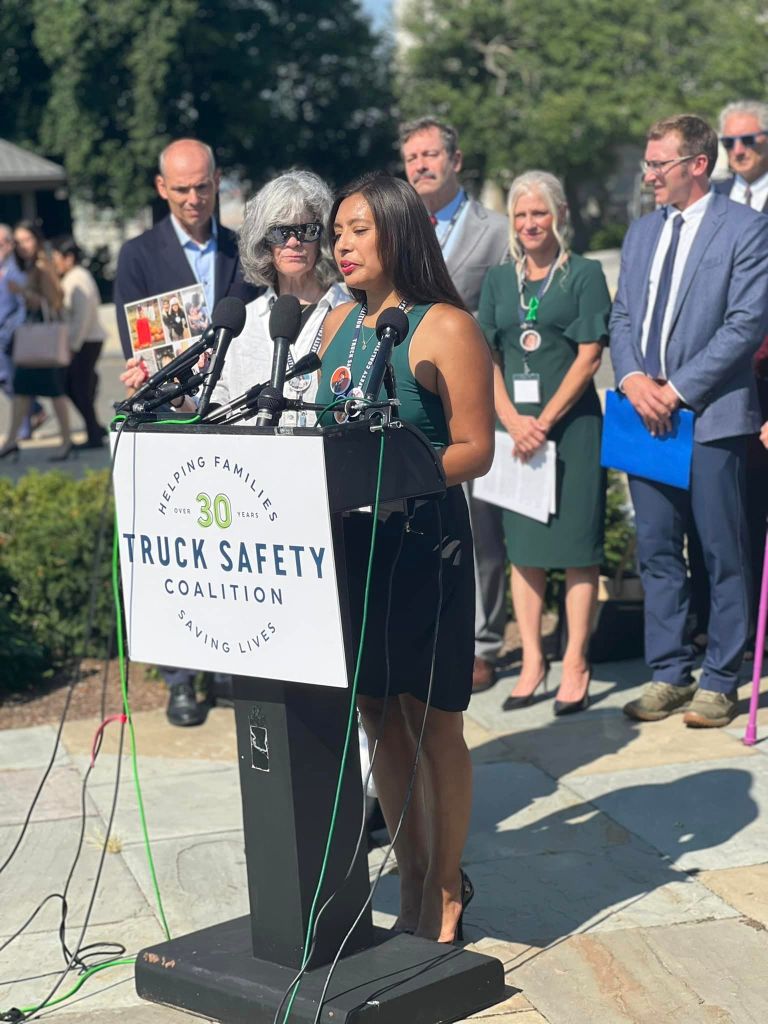
Elise told her story over and over during our two days on the Hill. She calls herself a mother with no children. I witnessed her dissolve into tears, then take a deep breath and continue on to ask for automatic emergency brakes on all trucks. She does this, with courage, in memory of her children. The least we can do to listen.

More families, more grief, more sharing, more requests for change.

Starting the rule making process for automatic emergency brakes on trucks was part of the last infrastructure bill, but only for the biggest trucks, class 7 and 8. Smaller commercial trucks were not included, and we all know those trucks are buzzing around our neighborhoods every day.

Elise’s children were slowed in a construction zone. We all slow down in construction zones.

It takes a lot of walking, a lot of talking, a lot of LISTENING to make change.

We can listen to these stories and hundreds, thousands of similar stories and send positive thoughts and prayers. That’s nice. But what these two women really want is change. It’s what all of us attending the conference want, change, so that fewer people die and get injured in preventable commercial truck crashes.

But change is hard.

There are bills in the House and Senate ( For example, HR 2687 for raising insurance minimums, HR 1622/S 605 for underride protection on trucks) to make change revolving around several of our issues. But this session of Congress is wrapping up and in the new year we will have to start asking for bills to be reintroduced.

You can help by calling your Senator or House Representative when things heat up again. And you can count on me to let you know all about it.

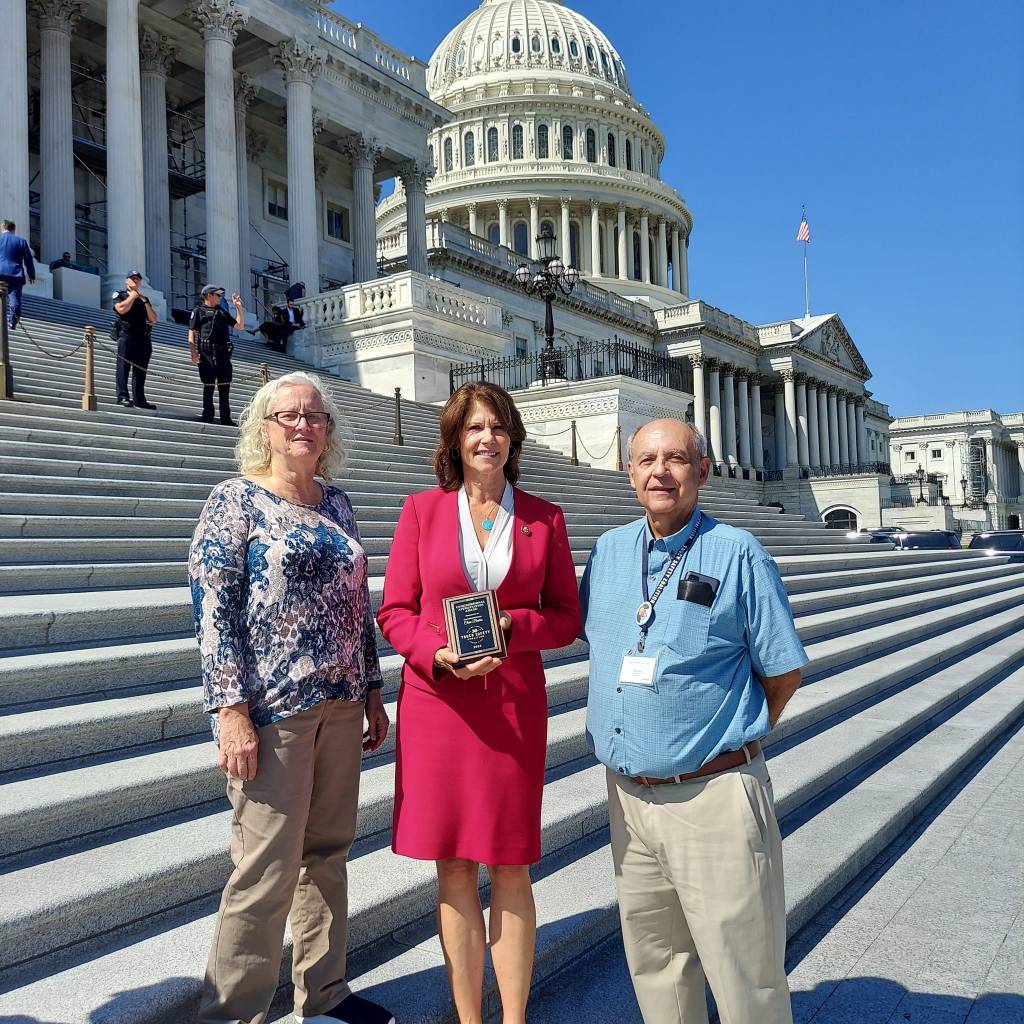
Some members of Congress are listening. This is Rep. Bustos from Illinois.

Dad’s, and all these stories continue, forever in our hearts.

Miss you, dad. Watch over us as we push forward, OK?