Tonight is the first game of the 2026 World Series. It’s being played in Milwaukee and that fact brings up a distant memory for me. Last time Milwaukee played in the World Series was 1982. Forty-four years ago. I know because I looked it up to confirm my memory.
I don’t know this because I ever lived in Wisconsin, or because I’m any kind of baseball fan.
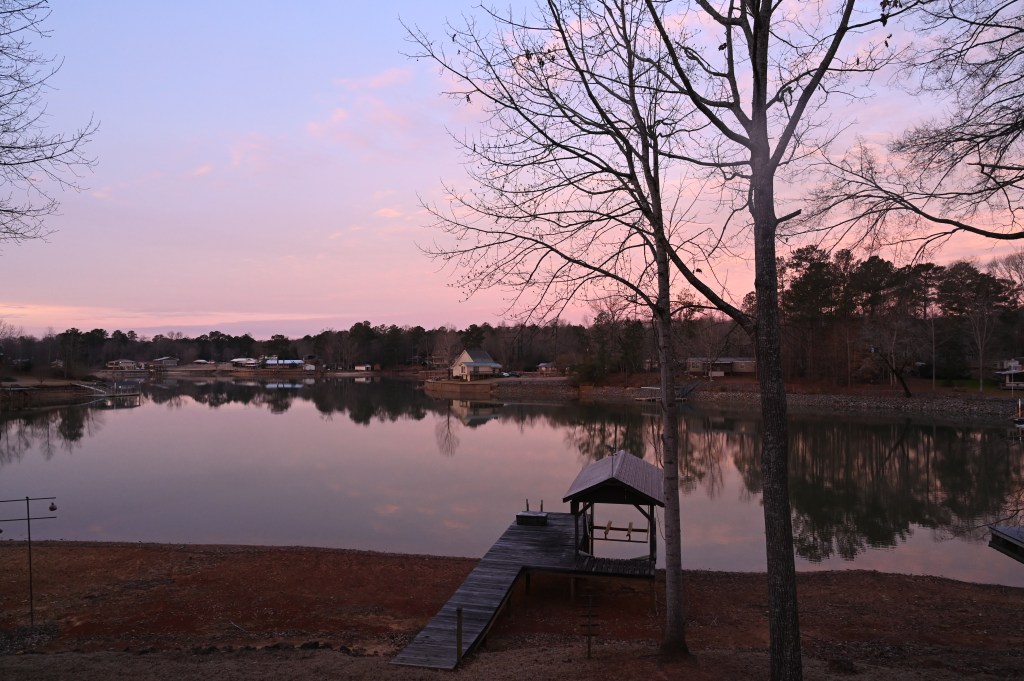
A fall evening in Alabama.
It’s just that on that day in 1982 I was driving from my parents’ home in Alabama to my home in Hancock, in the Upper Peninsula of Michigan, and traveling through Wisconsin. It’s a long drive, between Alabama and the UP, but for some reason I was feeling good and got into Wisconsin while it was still reasonably early. I figured I’d make it up to Green Bay before I stopped for the night.
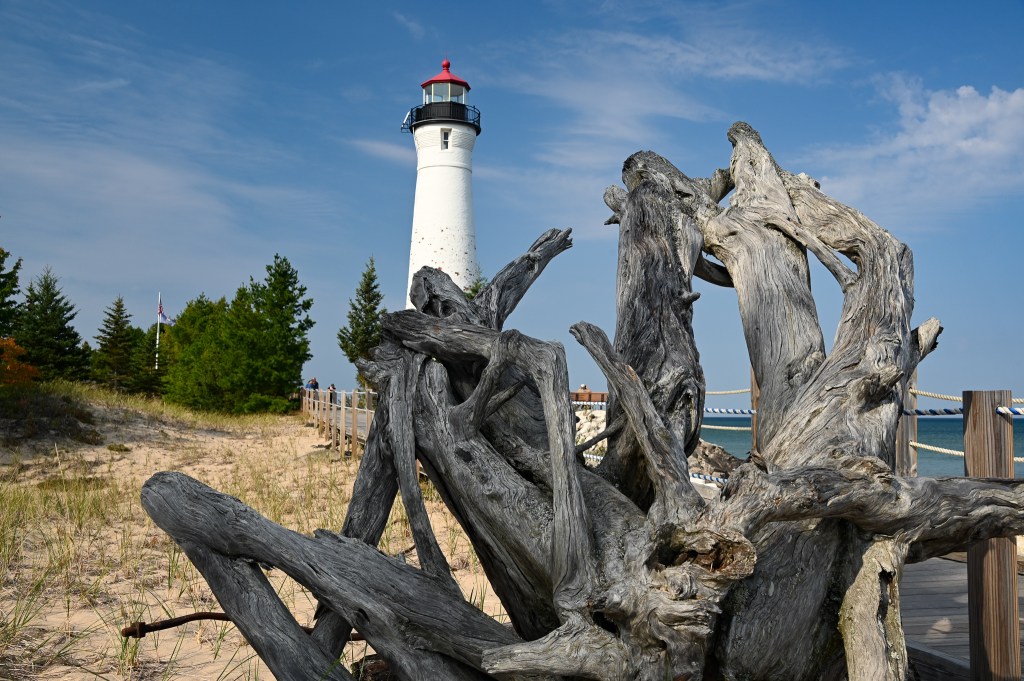
Crisp Lighthouse on Lake Superior.
Trust me. I was young and foolish.
I arrived in Milwaukee about two hours before the start of the first game of the World Series. I had no idea the World Series was starting that night. Even if I had known that, there’s no way I had any idea who was playing and I definitely didn’t know the game was a ball toss from the freeway I was on. The traffic was horrendous and I spent hours moving through game traffic before I could exit the north side of the city.
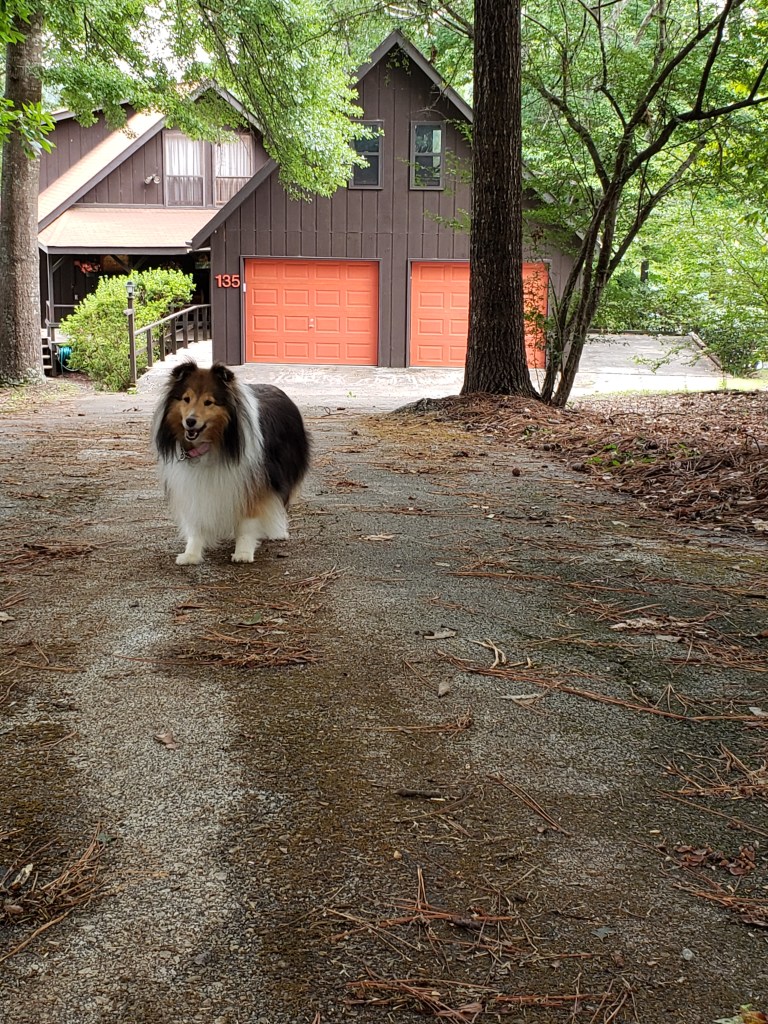
Katie visiting the Alabama House in 2018
So when I hear where game one is tonight I can’t help but be transported back in time. I wonder if any of the other folks caught in that traffic remember that day in 1982. Probably not.
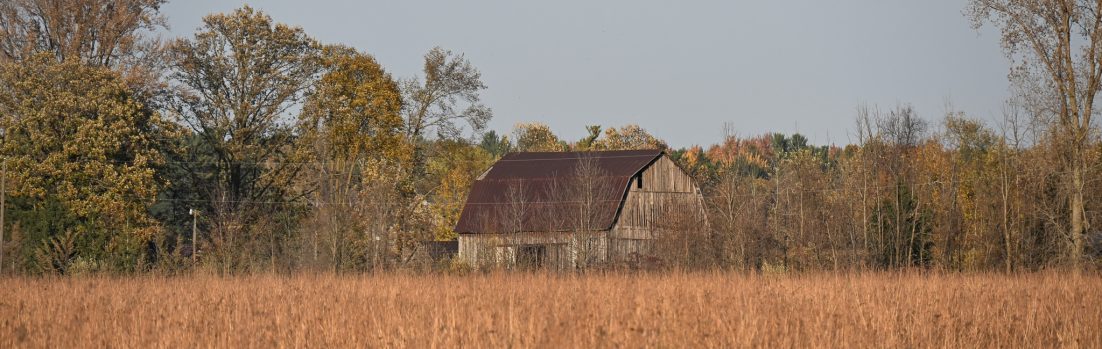
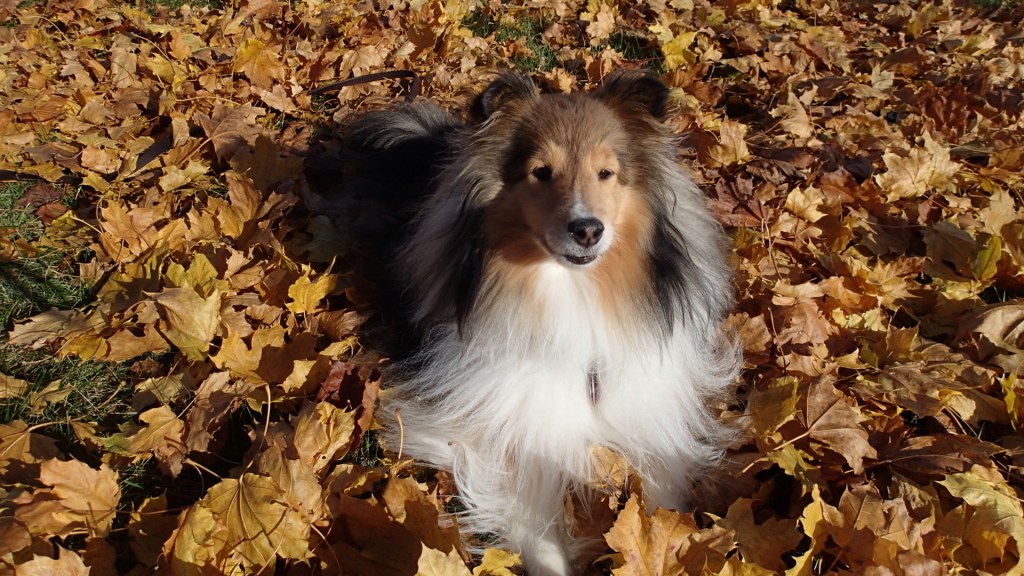
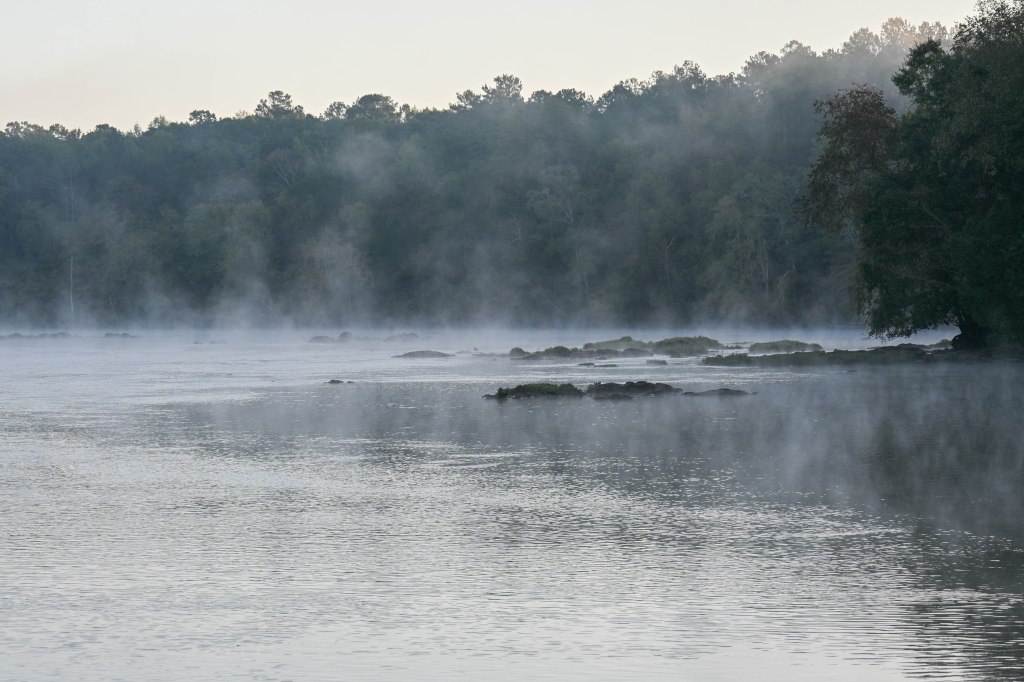
I have no baseball related images to insert into this post. So I’ll go find a couple images of Alabama and the UP.
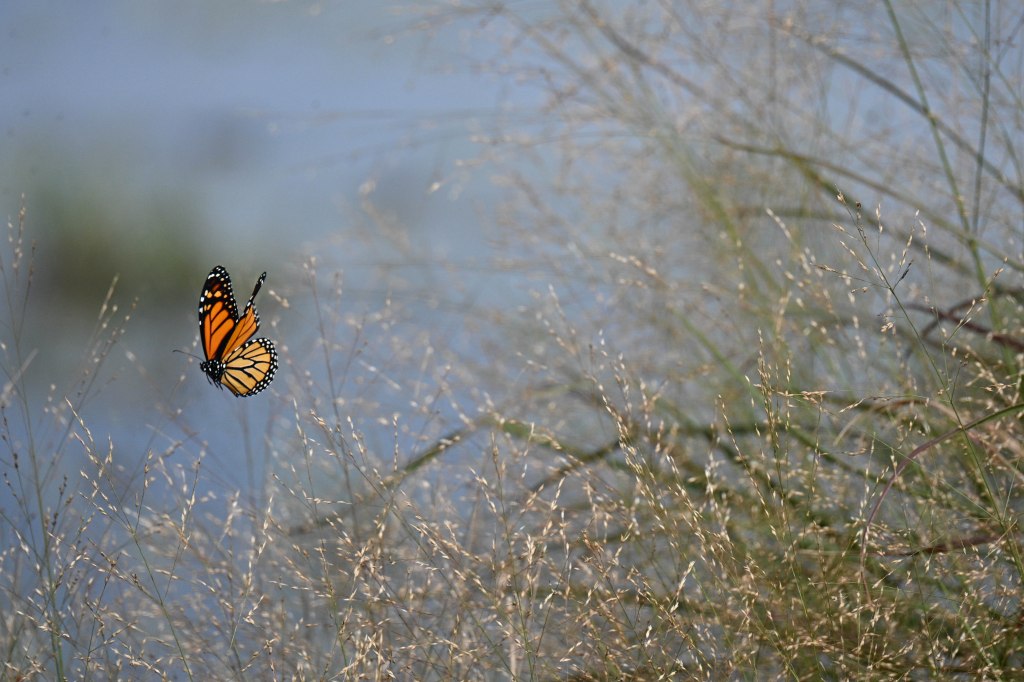
You probably read my less than conventional Walktober a few days ago. I enjoyed seeing all those birds and sharing them with you.
In my neighborhood, just down the street.
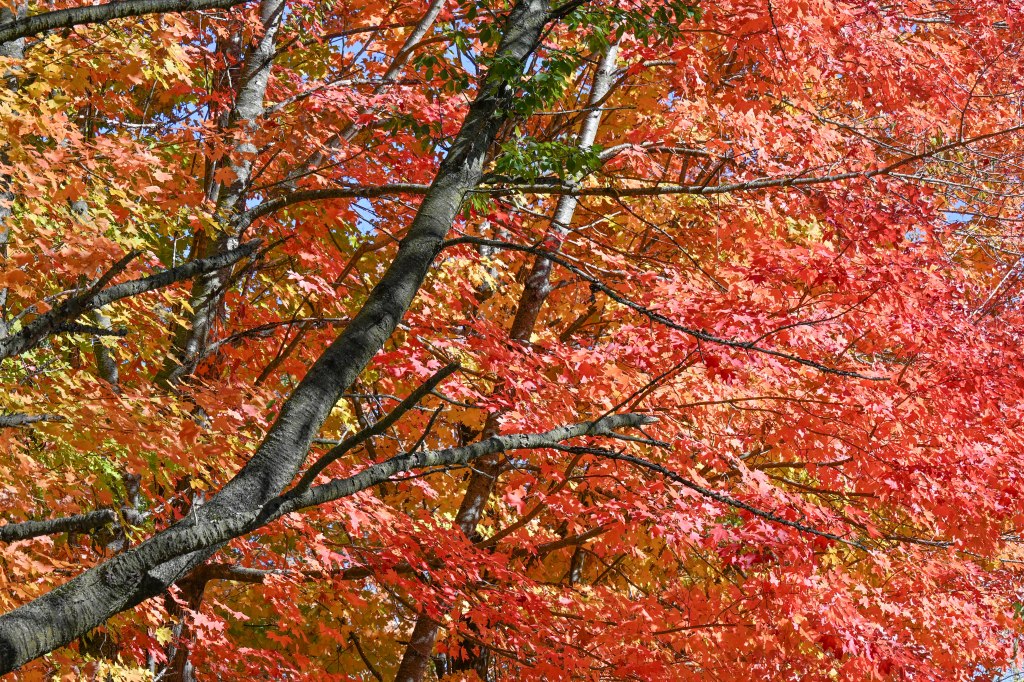
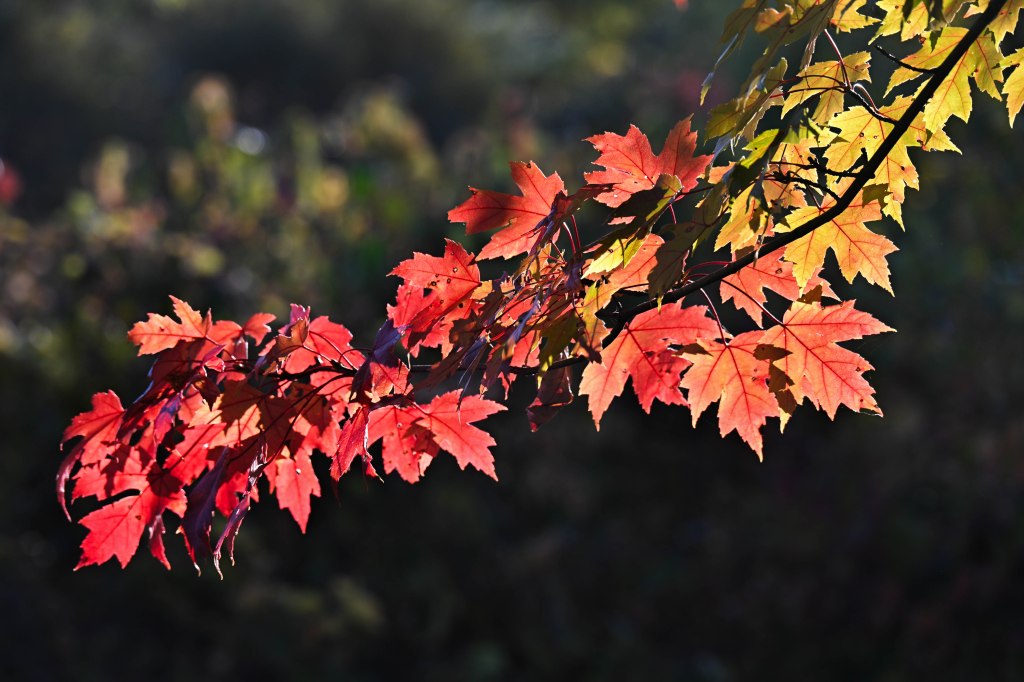
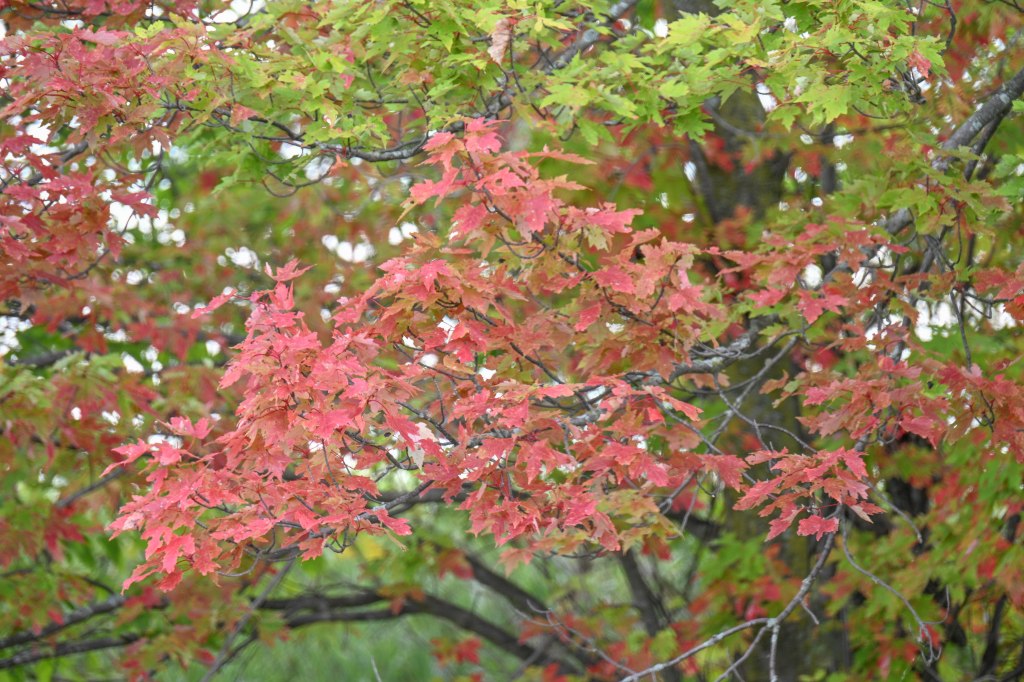
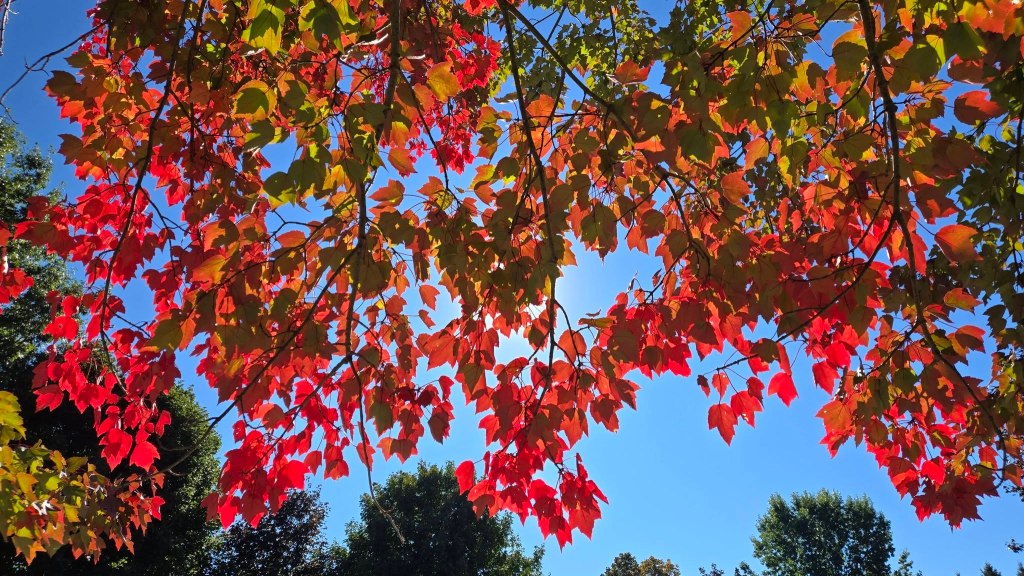
But yesterday I was running errands and the sun was out and the sky was blue and the color in the trees was ….well…very Walktober-ish.
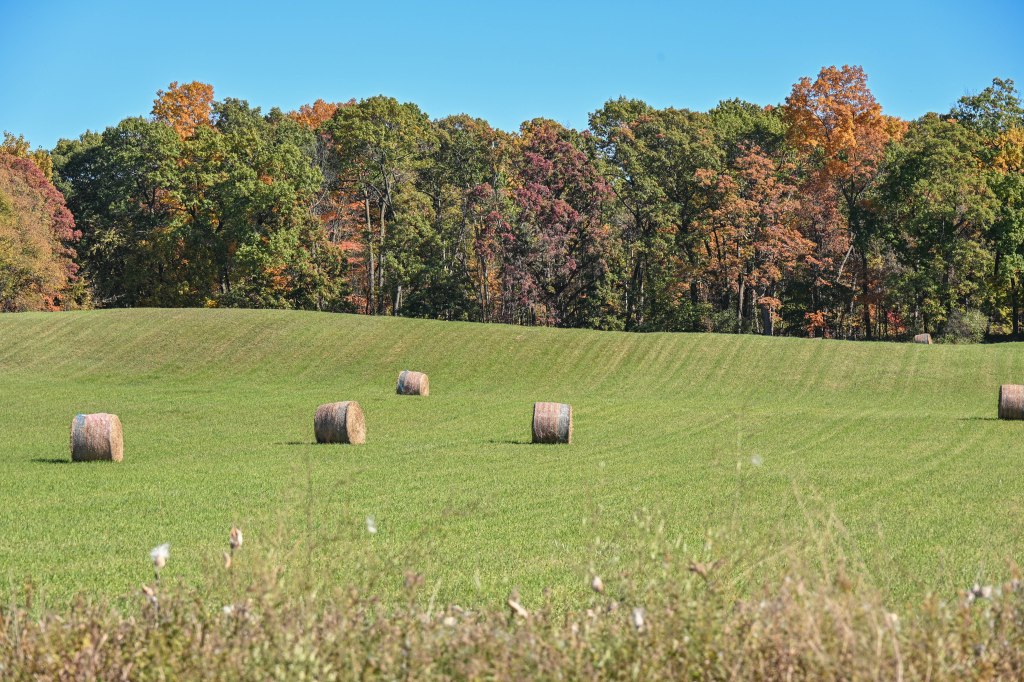
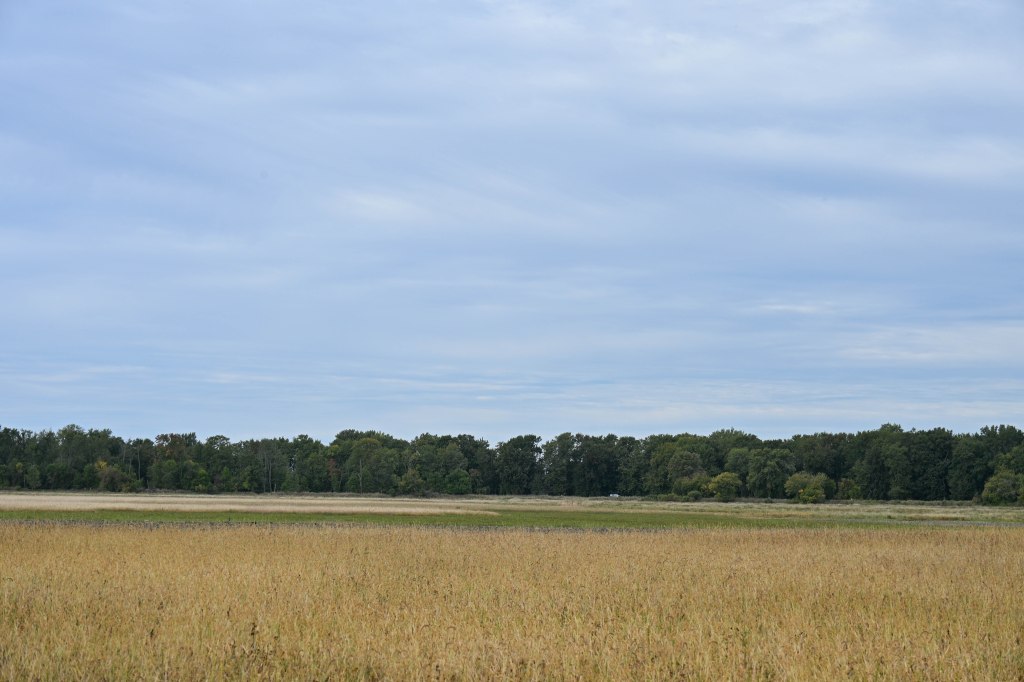
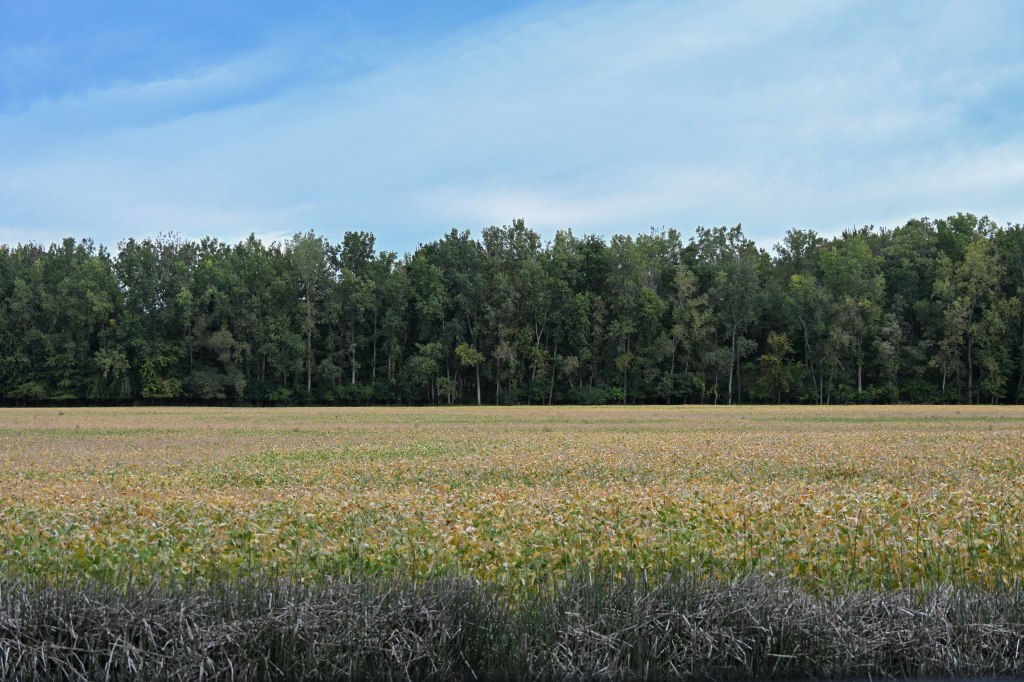
One of my favorite fields in all seasons.
So I’ve decided to show you around my neighborhood and yard on this beautiful October day.
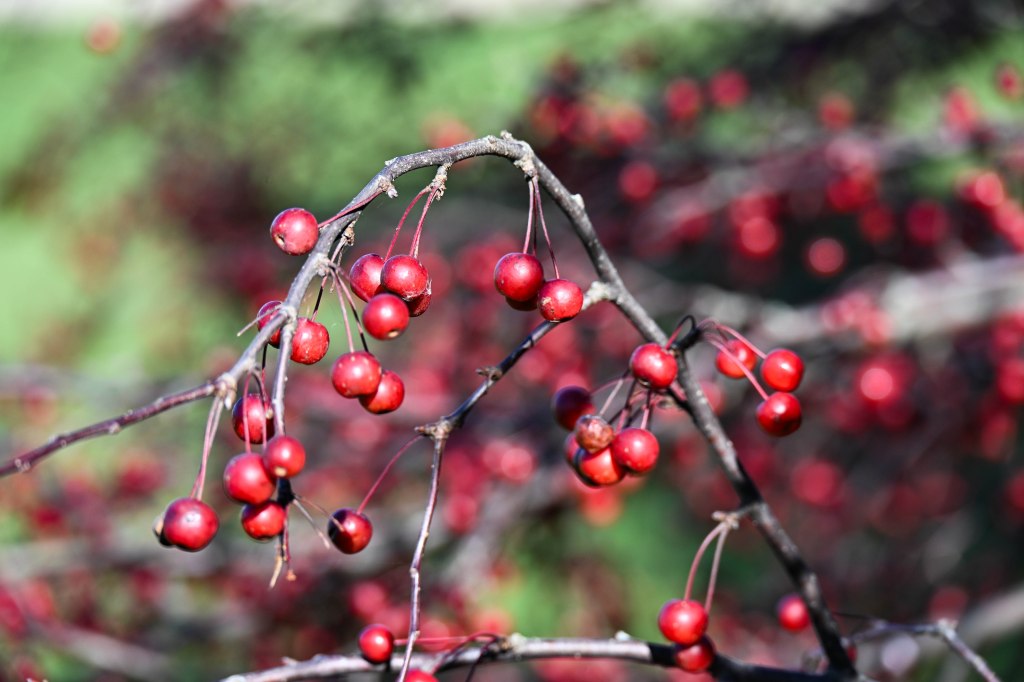
Crabapples, reminding me of July’s cherries.
We have had some spectacular days here in lower Michigan and it would be a shame if you didn’t get to enjoy it all with me.
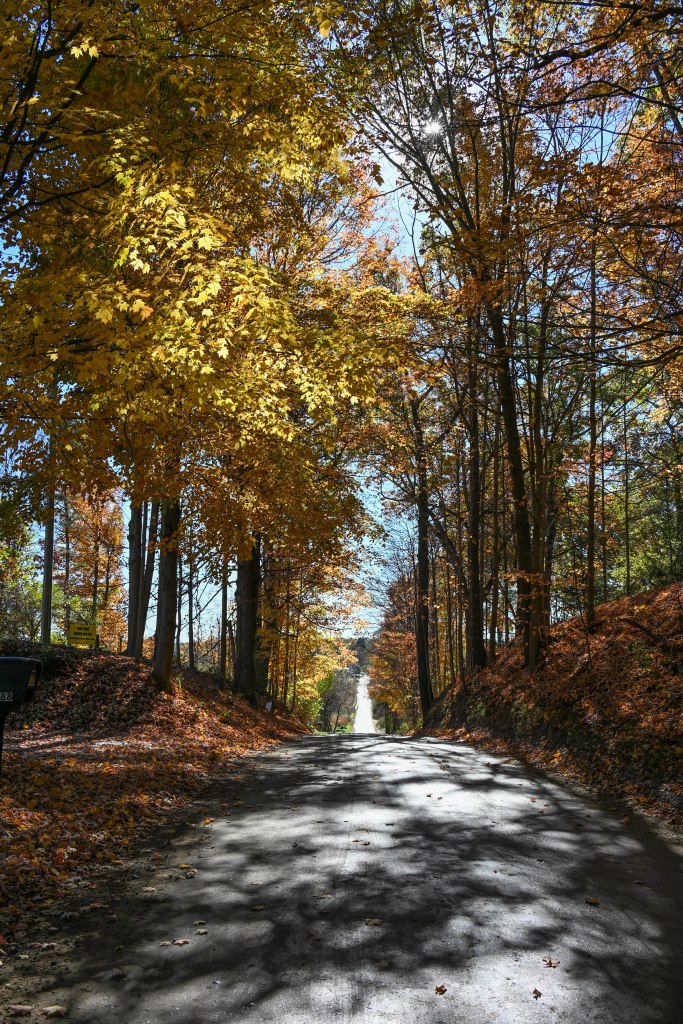
One of my favorite country roads.
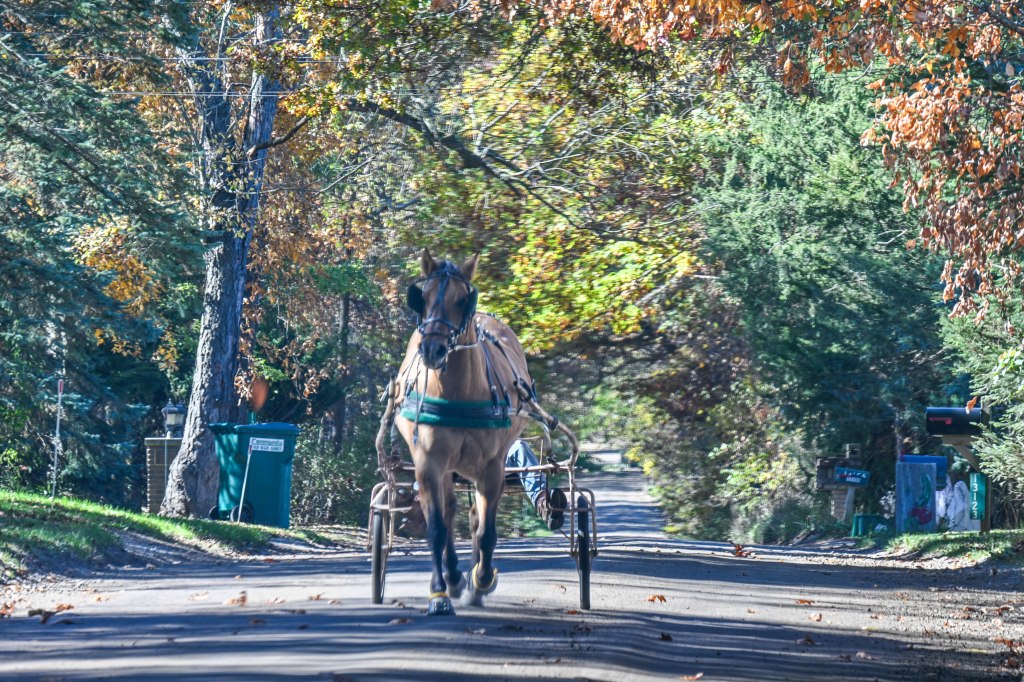
I drove around a few country blocks first, those tree lined dirt roads are always quintessentially Michigan fall, especially if you happen to run into (not literally) a horse.
I pulled over and let them go by me.
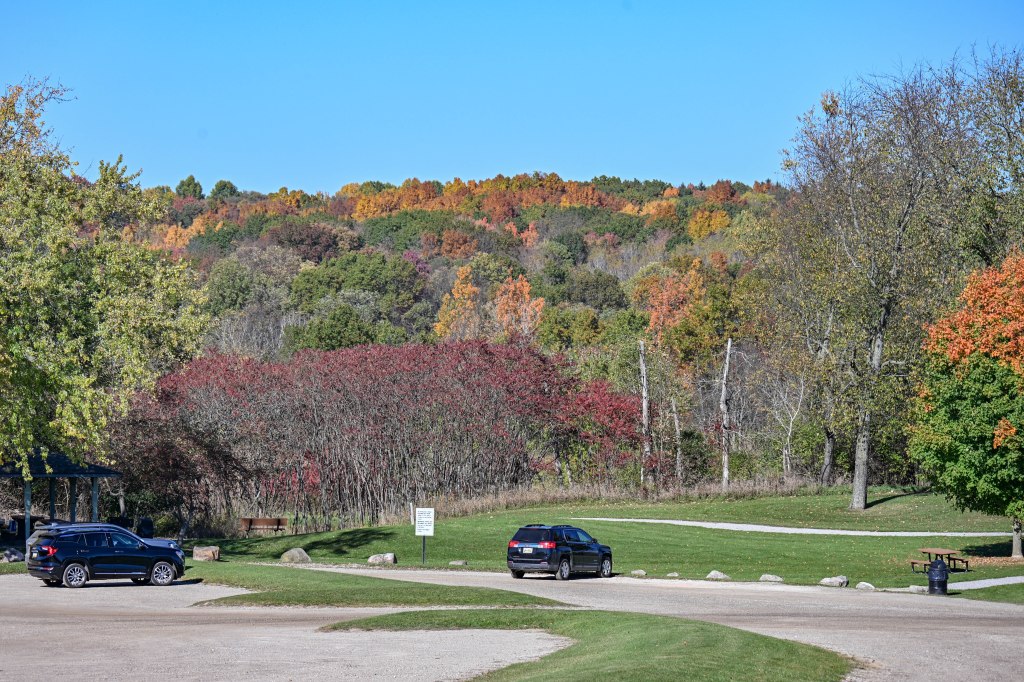
Then I went to Katie’s park, because from the road, which is quite a bit higher than the parking lot, I could see the hills across the way were showing off their gold and rust oak trees.
She met me as soon as I got out of the car at Katie’s park.
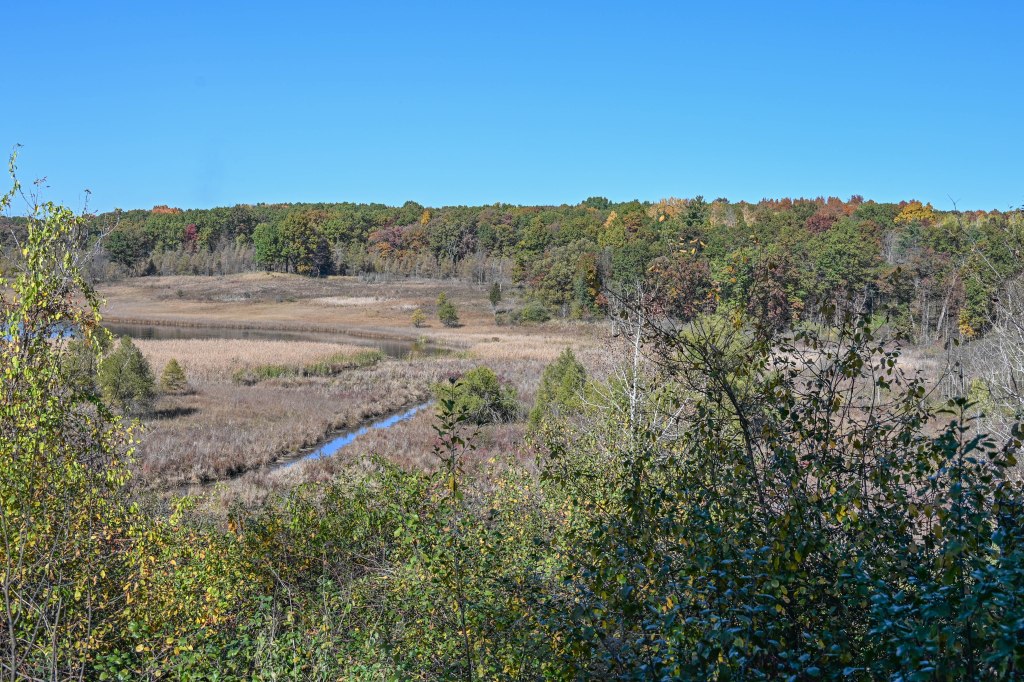
I figured there would be a spot in the park that would look out across the wetlands and showcase the hill.
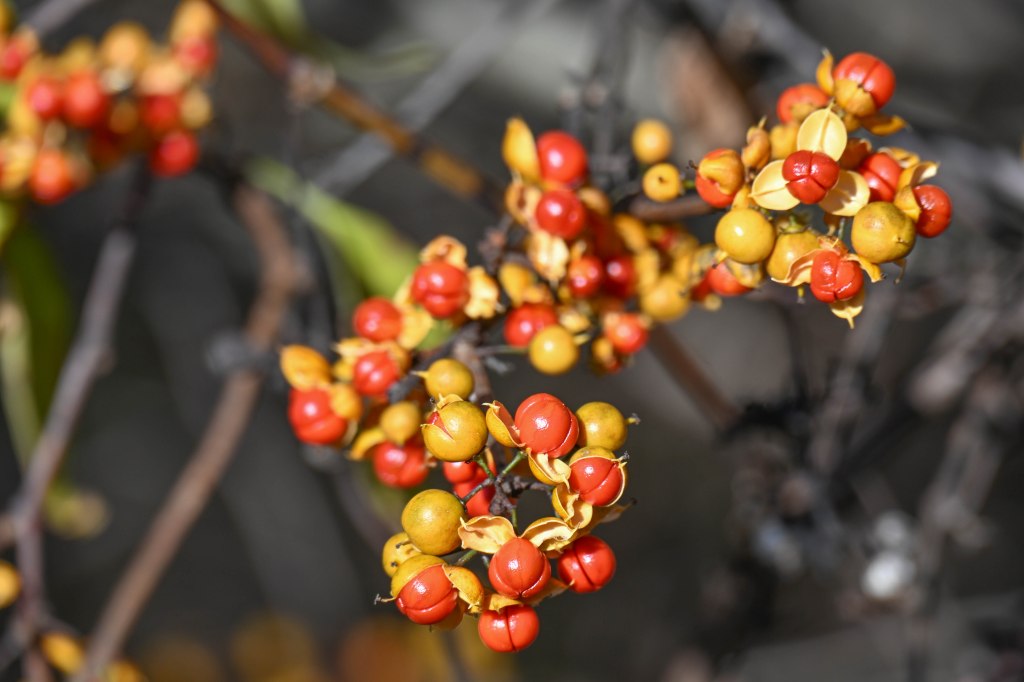
Bittersweet. Which was how I was feeling on my walk in Katie’s park.
Turns out there wasn’t a view of the hills as I should have known because Katie and I have walked that trail hundreds of times.
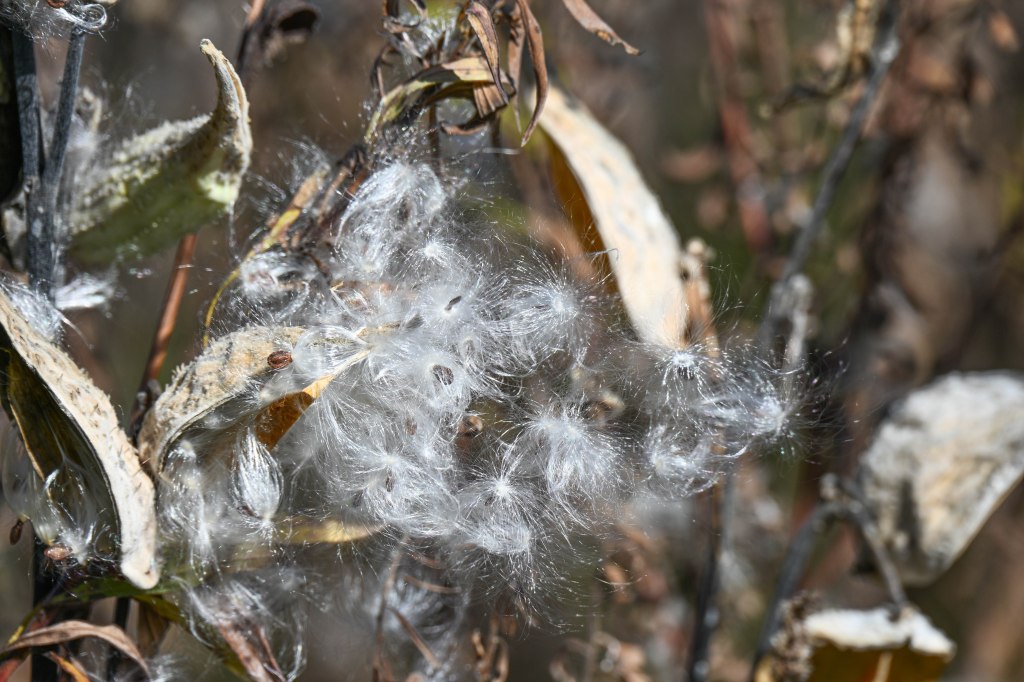
Next year’s milkweed.
So since I was there I walked the trail anyway, with her in my heart, remembering all the things she loved about being out there. I thought I’d just walk a little bit of it, didn’t think I’d go all the way out to her viewing platform because my heart was hurting too much.
But I did.
The view from one of Katie’s favorite spots in her park.
She was definitely there with me.
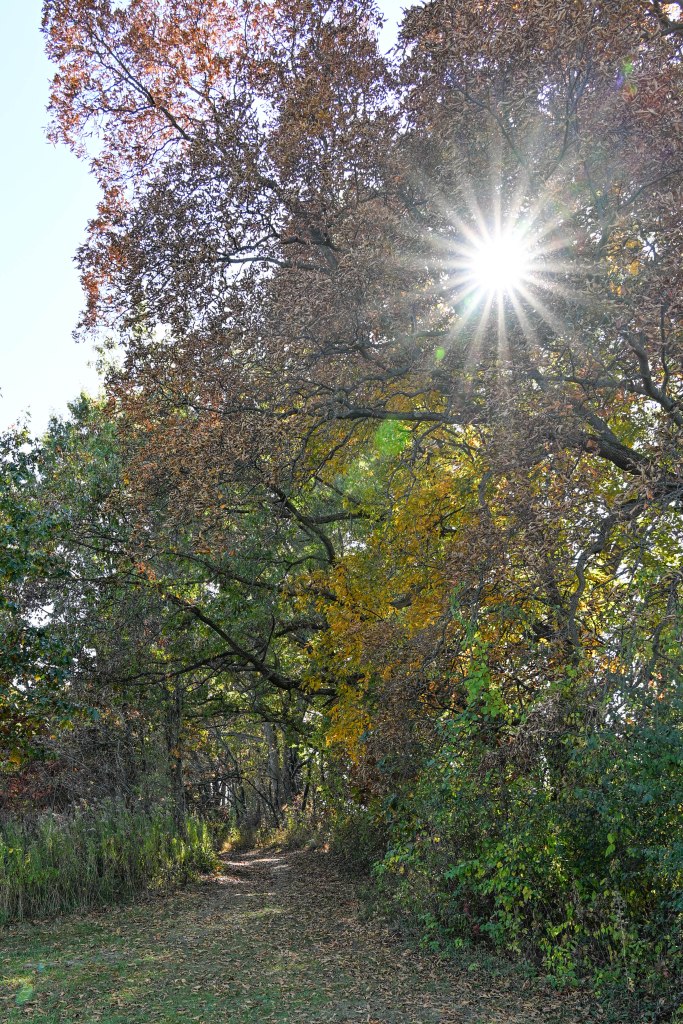
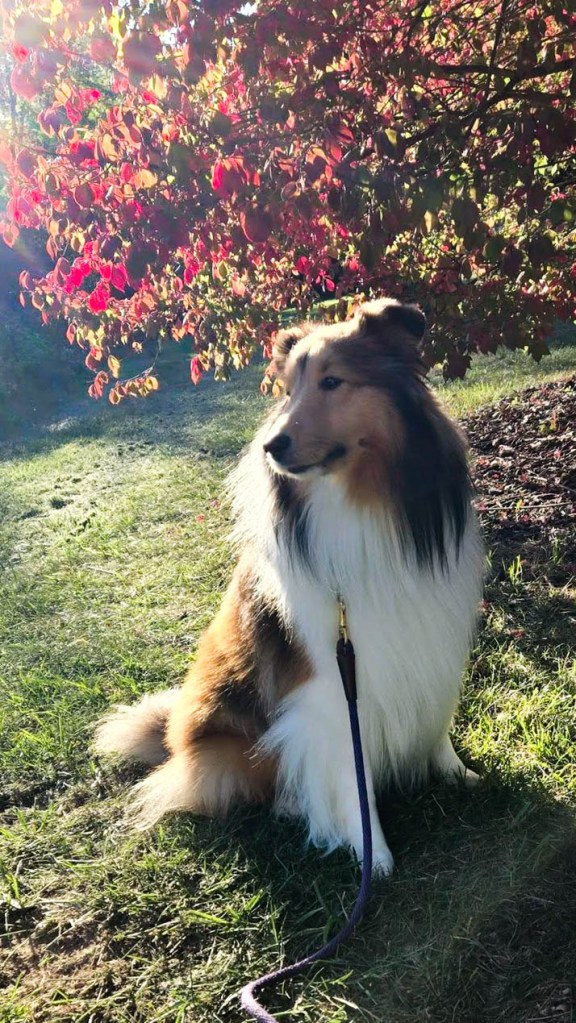
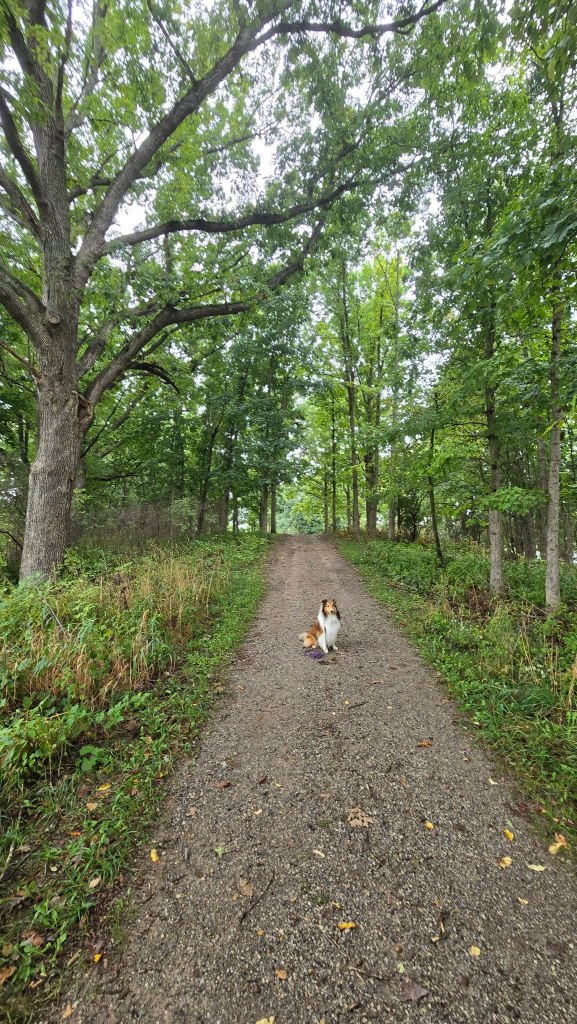
I always used to set her up under these big trees for a photo.
And on the way back to the parking lot I walked up to the road and shot that hillside that had lured me to the park in the first place.
Back at home as the sun was going down I got the last shot of my last 2026 Walktober.
This one turned out to be for Katie, my girl who will forever be at her park and in my heart.
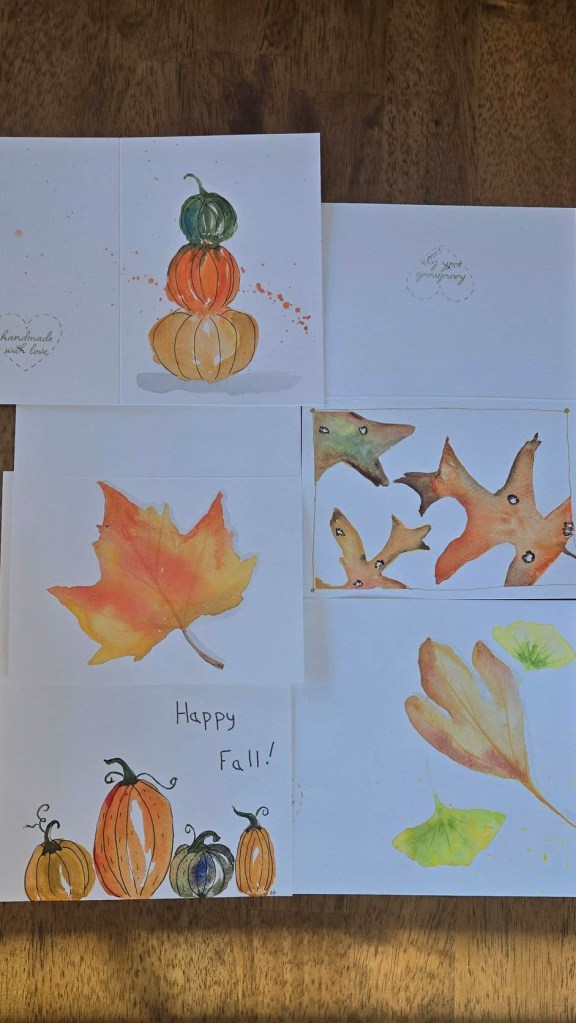
I’ve been feeling disinterested in painting lately. A sort of murky glum feeling. I mean, how many cards for nursing home residents can a person paint?
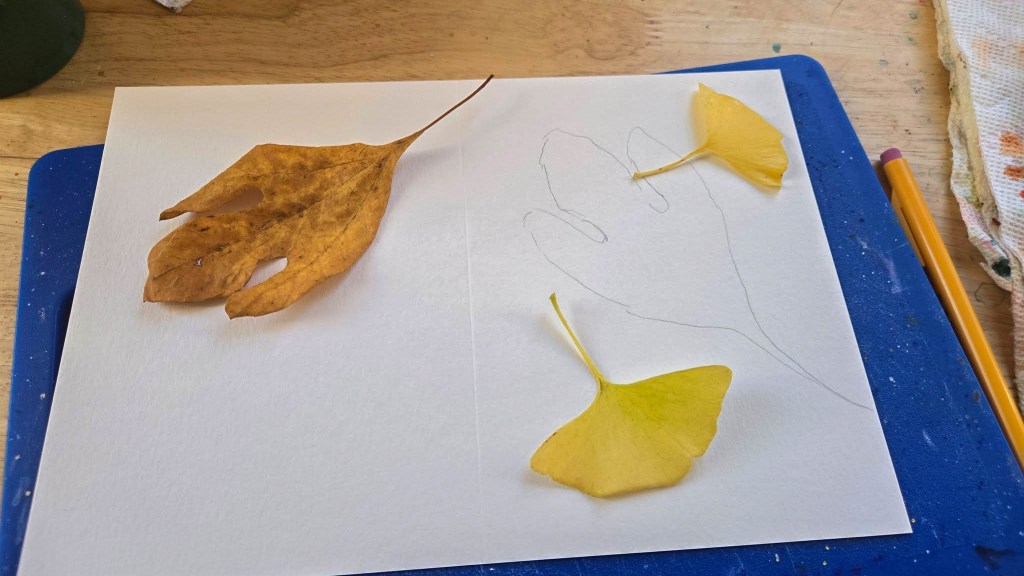
This batch was fall related. Most of the leaves were from my own yard and made good traceables for me.
I’ve probably painted a few hundred.
They’re all (mostly) different. It’s a good way to try something new, doing it small scale, being sent away regardless of whether or not I like it. Someone will like it.
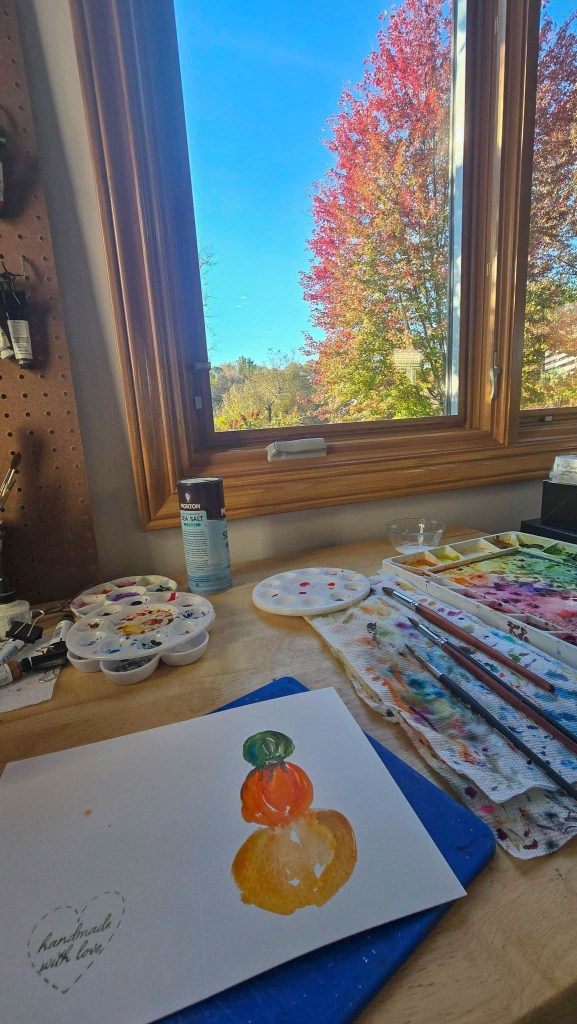
Pumpkins feel like fall, right?
Well, to be honest, there’s been a few I haven’t sent. After all, nursing home patients don’t really need to be subjected to everything.
But we’ve had lots of sunny fall days and the color outside my window is beautiful right this minute, so there’s no time to lose.
Just need to add a cheery howdy inside and these are ready to be shipped.
Next up? Christmas cards for folks in nursing homes. Yep. It’s right around this painter’s corner.
I love October, and I love Robin’s Walktober. I’ve been joining in for many years and I always look forward to posting about some adventure that I’ve done especially for this post.
It was a beautiful day with streaky blue skies and hazy sunlight.
If I’m totally transparent, this was actually a drive rather than a walk. But all is fair in love and Walktobers.
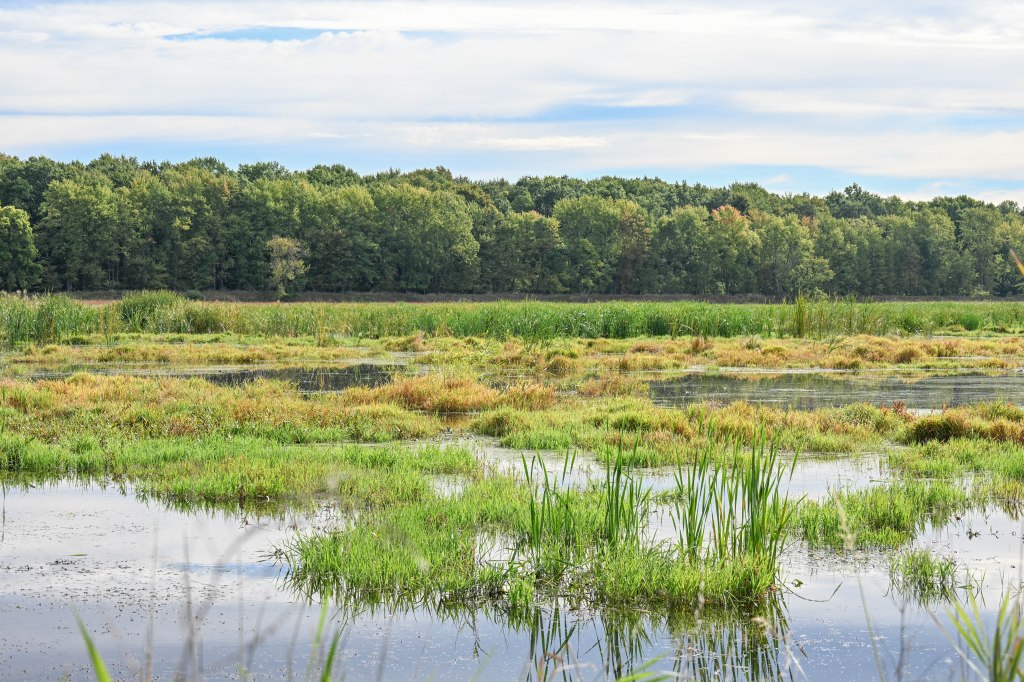
Some of the refuge is flooded in water, other parts are huge meadows where fox and deer play.
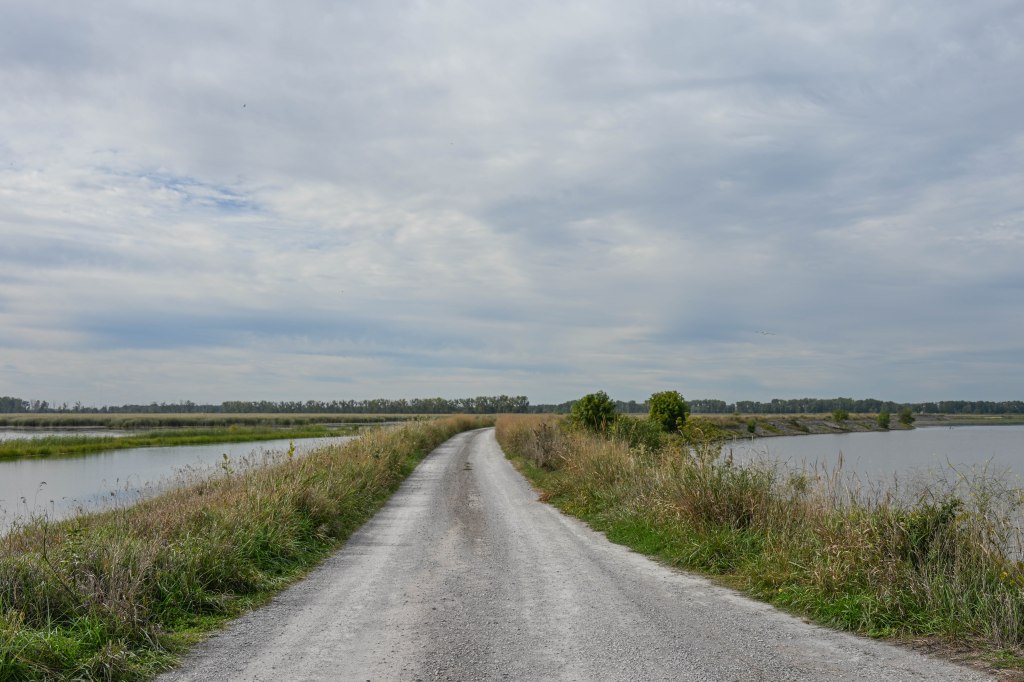
For this year’s Walktober I visited the Shiawasee National Wildlife Refuge, which is about an hour north of me and just 5 miles north of Frankenmuth Michigan. There’s hiking trails along the dikes that manage the water and a motor drive around the perimeter of the portion of the park that’s public.
There was a little bit of color along the beginning of the drive.
The drive is only open from June 1 to September 30 every year. So, being totally transparent, this Drivetober was actually done on September 30. Not even in October!
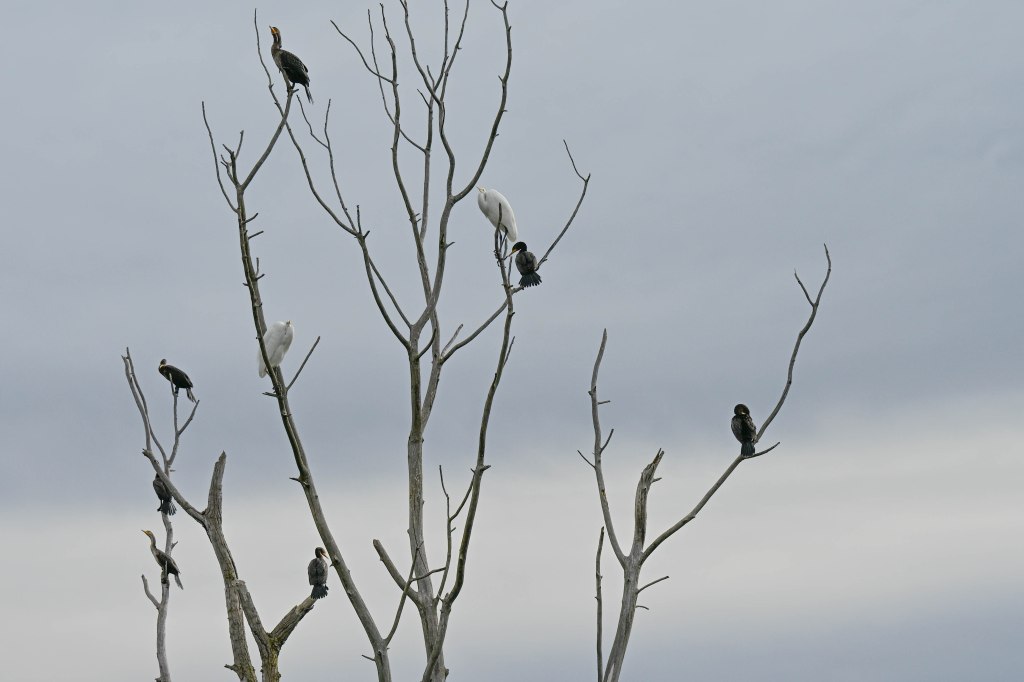
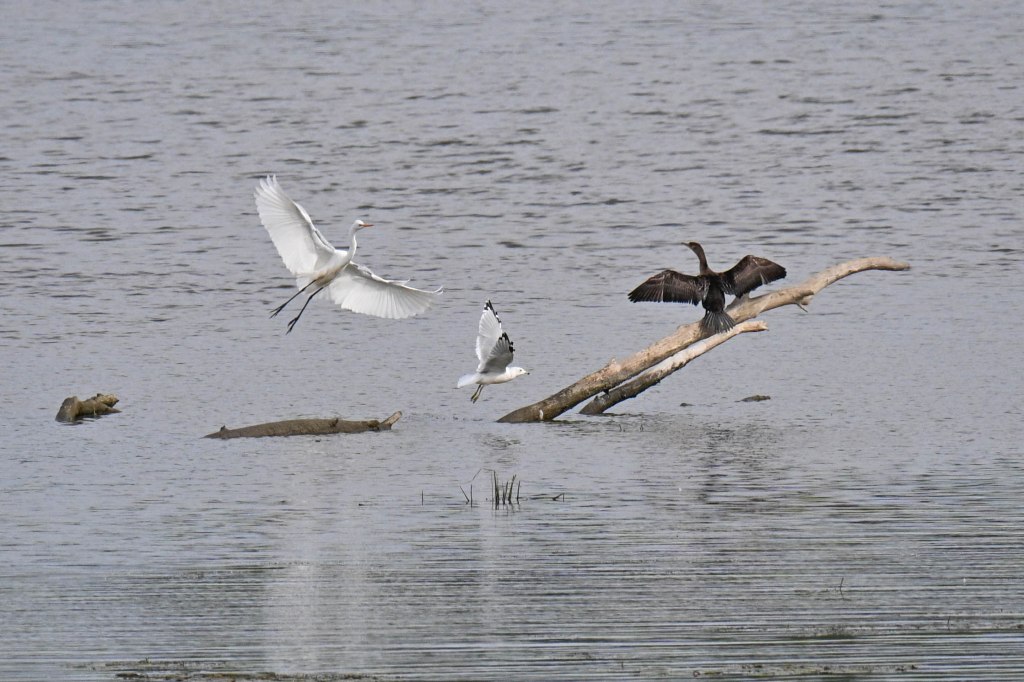
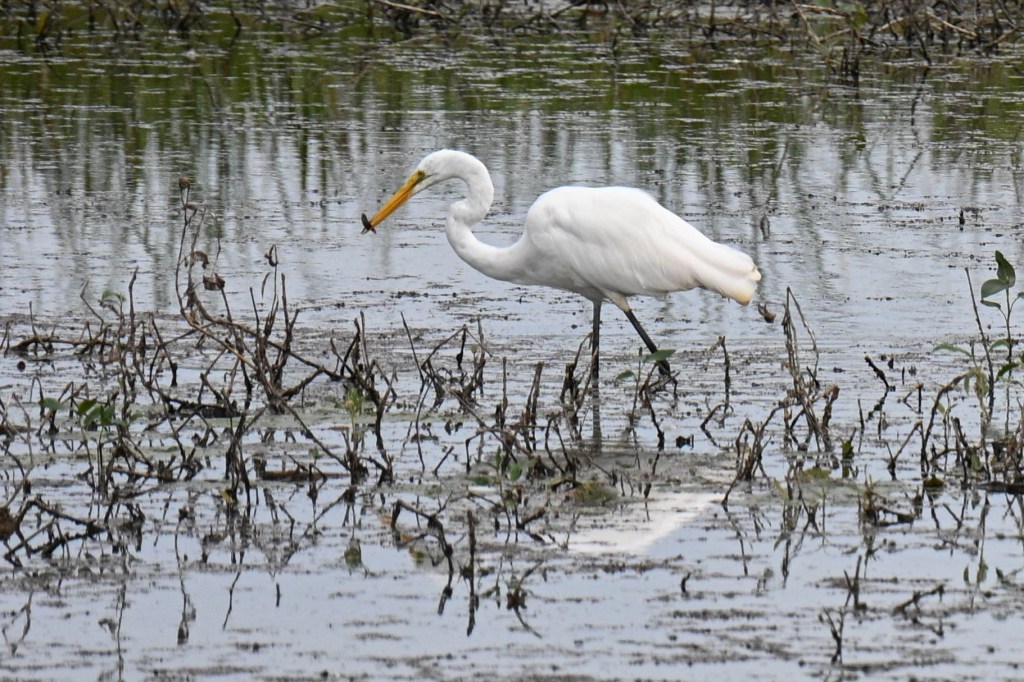
Early afternoon, the cormorants and egrets were napping.
Still I think Robin will stretch the rules for me this one time. I hope.
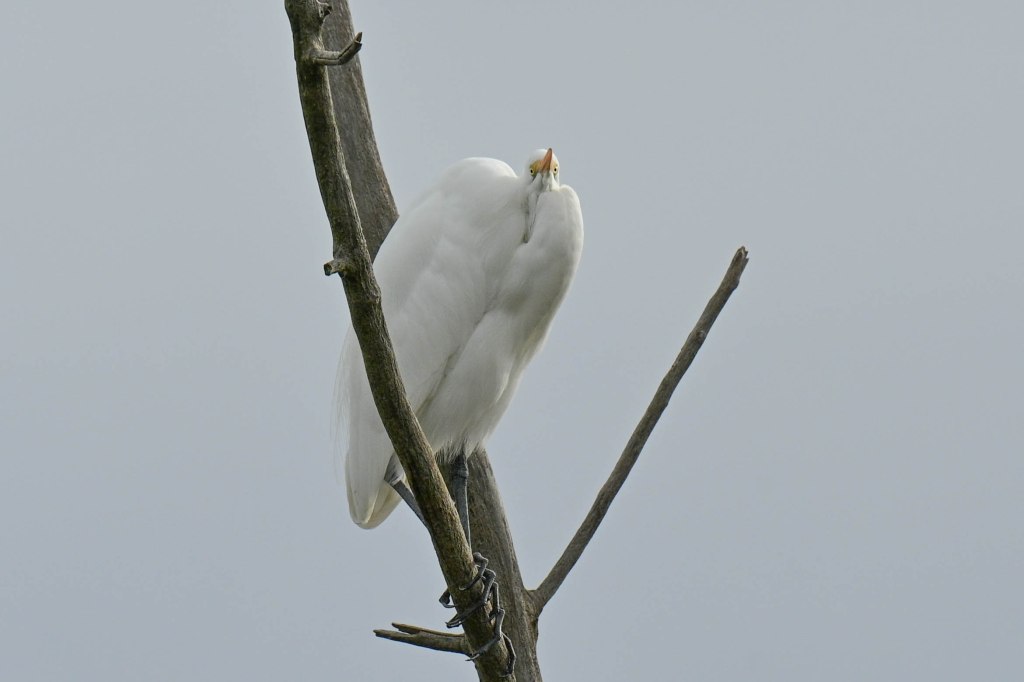
This egret was a touch miffed to be bothered during his nap.
On the drive you’re not allowed to just stop wherever you want. But people do, for the fleeting moment it takes to grab a photo, especially if no one is behind you.
Big stretch after lunch.
There are a couple of spots designed to pull off the road, but rarely is there anything you want to see from those spots. The drive is mainly on the top of the dykes, with water on either side, so you don’t have a lot of options.
Sometimes you need to pay attention to stuff a lot closer than those egrets way out in the water.
I’ve been known to drive the 6 mile loop twice during a visit. I haven’t been up there for the last couple years so I was excited to see what I’d find.
I was specifically looking for pelicans.
It’s all about territory and who gets to stand where.
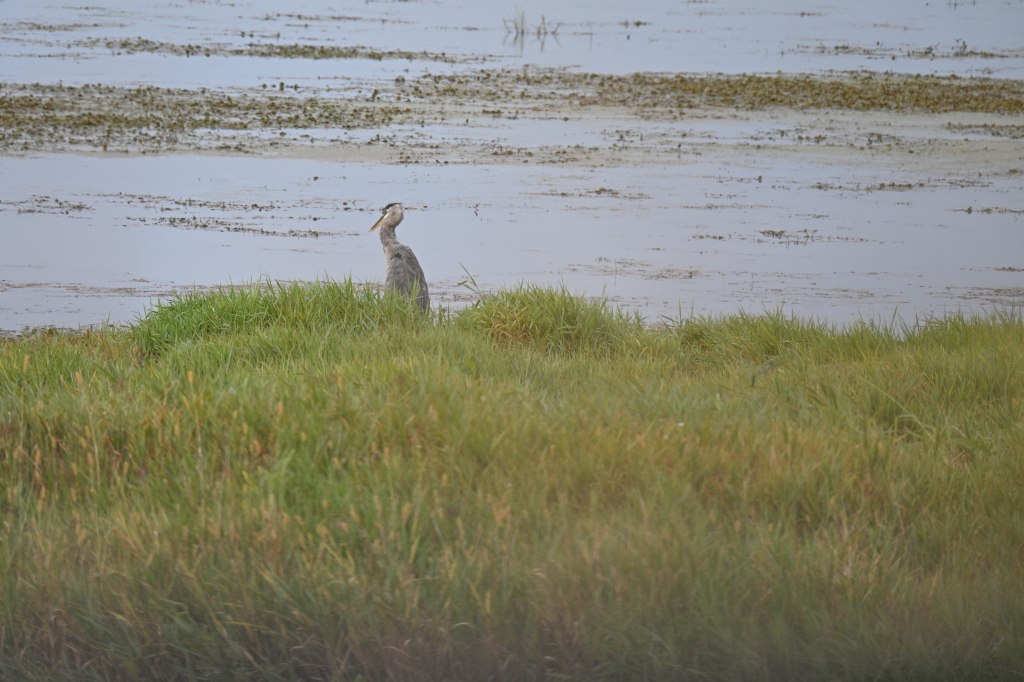
Mostly I saw egrets (big white birds) and blue herons (big grey blue birds) and lots of little unidentified birds.
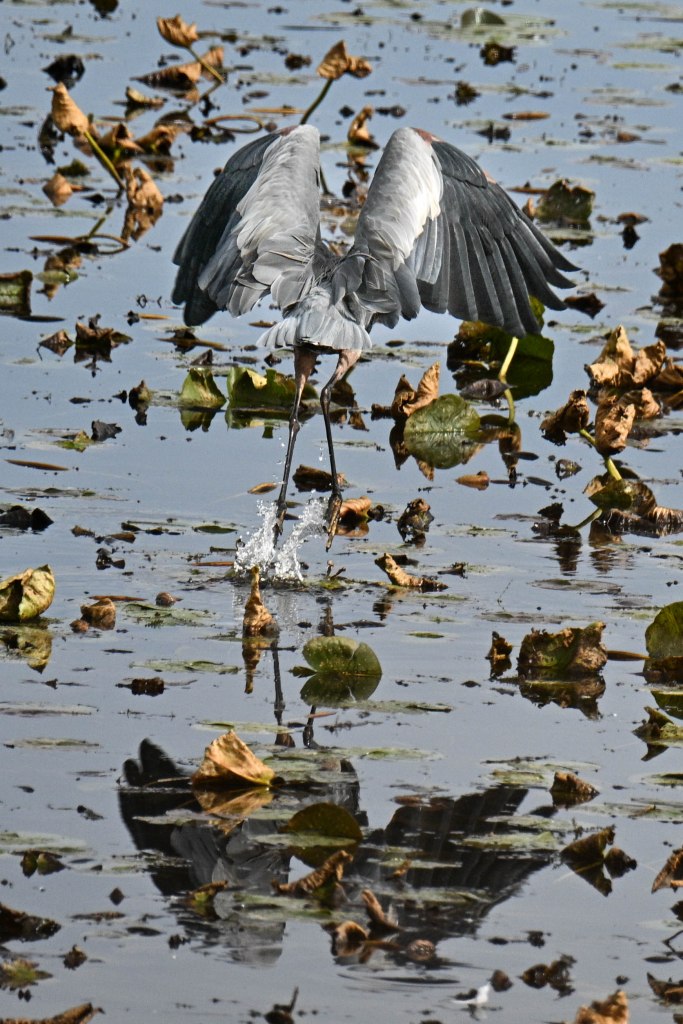
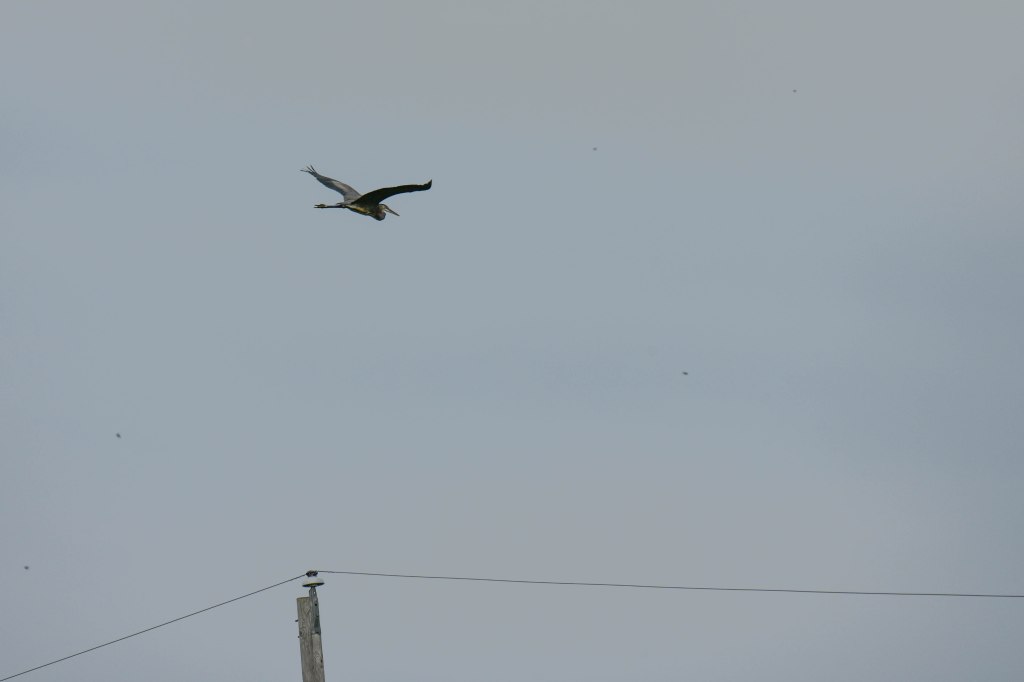
Great blue heron taking off because I stopped to get his picture.
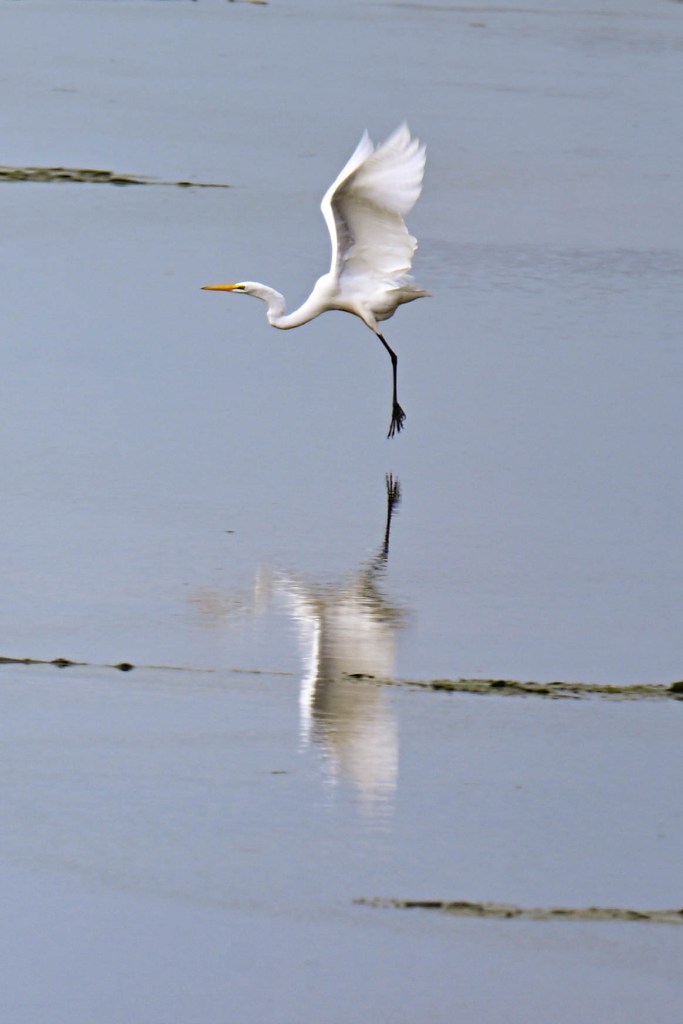
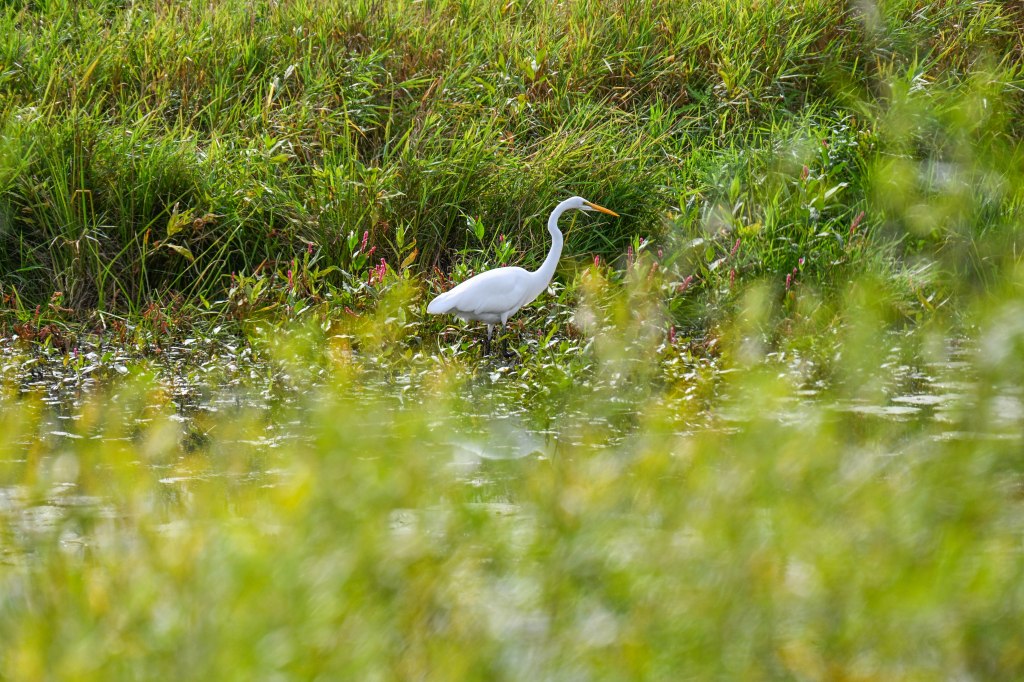
If I’m honest it was mostly egrets. I’ve always had trouble photographing egrets because they’re all white and so often end up blown out in a photograph where the camera sets the shutter speed for the rest of the image.
Not to be left behind, the egret followed the heron.
I shot 1800 images. As you can imagine, some are not so good.
There was something to see no matter which side you were scanning.
But I weeded it down to 130 images that I’m mostly pleased about.
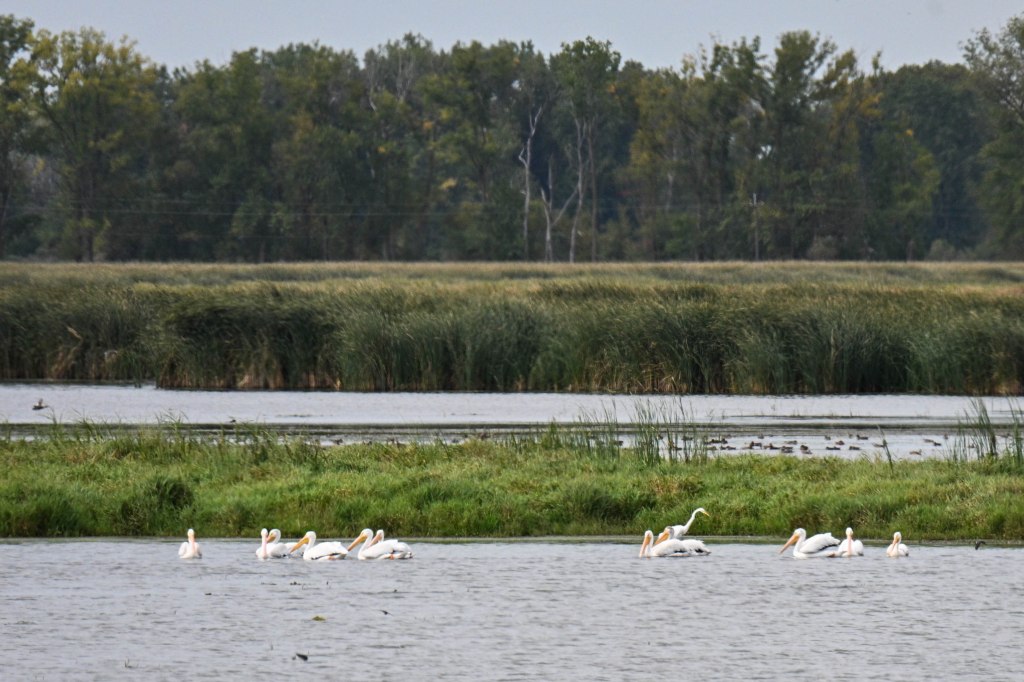
Not pelicans though I thought they might be when I first saw a bunch of white birds.
And no, I’m not going to subject you to 130 pictures of egrets. I’ll try to pick the best or most interesting, but sometimes I might slip one in that has a soft focus because it was the best I could get. I hope you’ll understand.
Along the side of the road were shrubs and grasses which sometimes made a pretty frame for the subject. Sometimes they were just in the way.
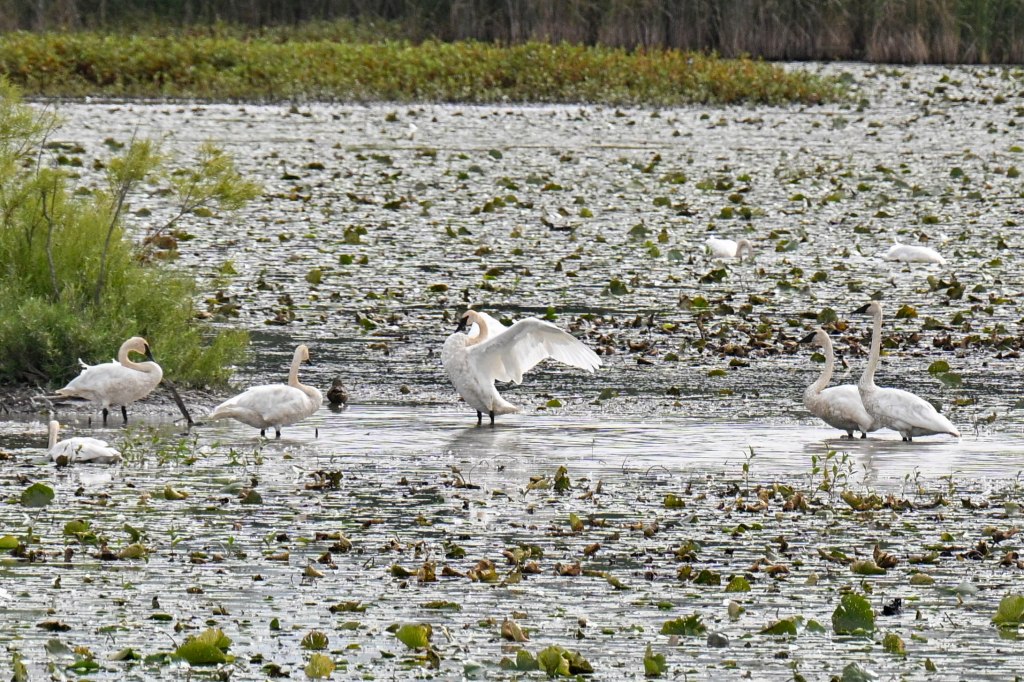
I can say most of these birds were a really really long way from the car.
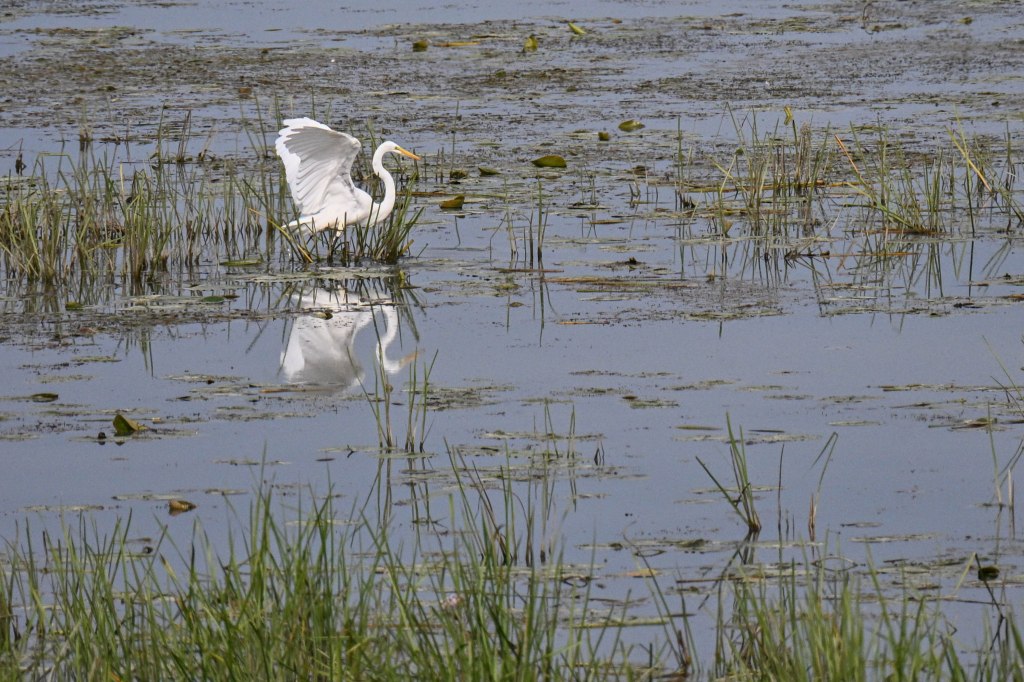
Fishing is a full time job out here.
I think I want a 600m lens for a photo shoot like this. Especially if I’m in a car and not lugging it four miles through the woods. Which, if I’m honest, isn’t very often.
Sometimes lunch comes in small packages.
Maybe I should rent one on the few occasions I got back up to the drive. Anyway…as I said I was mostly looking for pelicans.
Bet most of you don’t know that Michigan even has pelicans. I didn’t either until I started seeing photographs of them out at this magical place. And I don’t always find them at all.
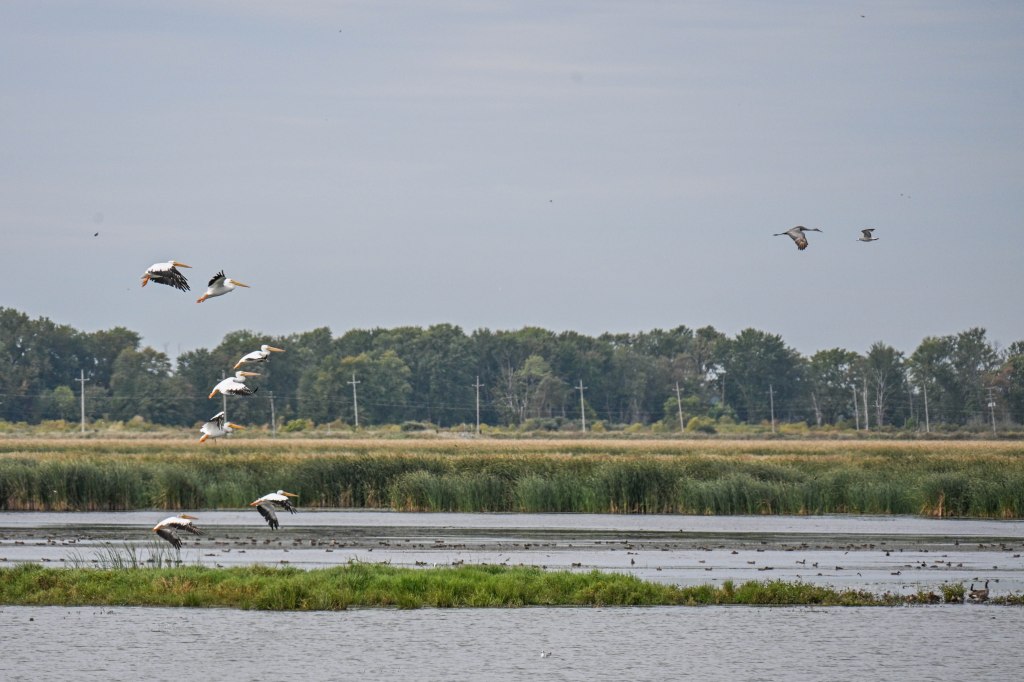
Jackpot! About ten pelicans very very very far away. They looked like white dots without the camera.
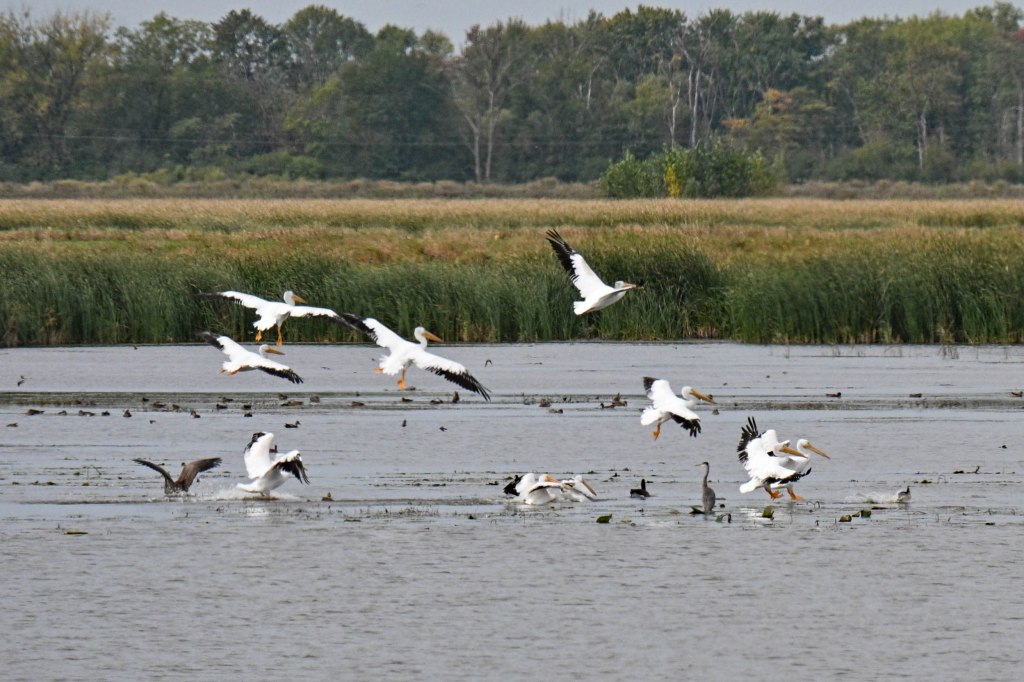
But I found them, far off in the middle of the water, mere specks with my naked eye. And of course, like most of the rest of the birds I’d seen that day, they took off as soon as I stopped the car.
Pelicans plus a sandhill crane and a seagull.
It was a thrill to see them, and once I had, I felt the trip was worthwhile. Even though I didn’t see one bald eagle.
They landed just a little bit up the shore, so I guess I wasn’t all that scary.
I headed toward the exit smiling…when suddenly….
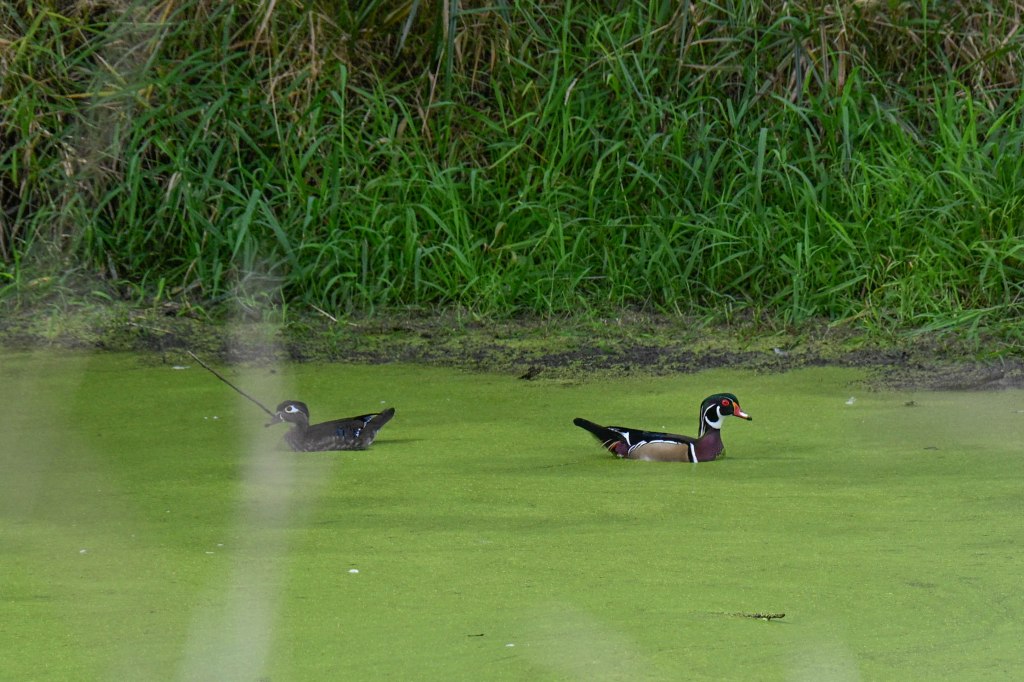
Mr and Mrs. wood duck
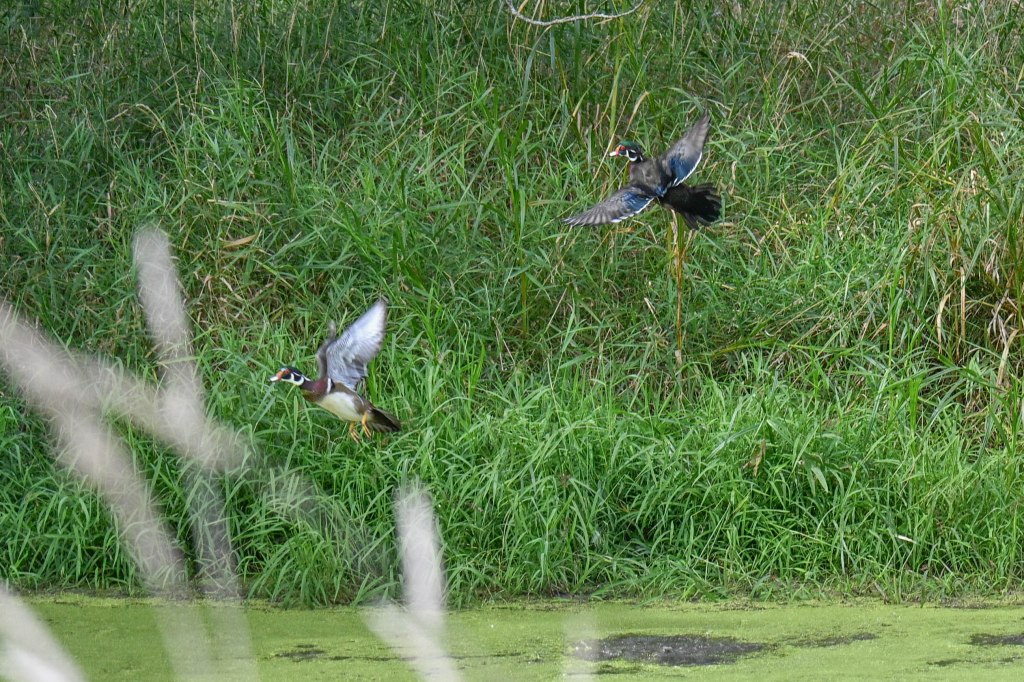
…wood ducks! The side of the drive was tall with grasses, so it was hard to get a shot. I thought I’d maybe just step out of the car to get above the grass…
Beautiful in flight or on the water.
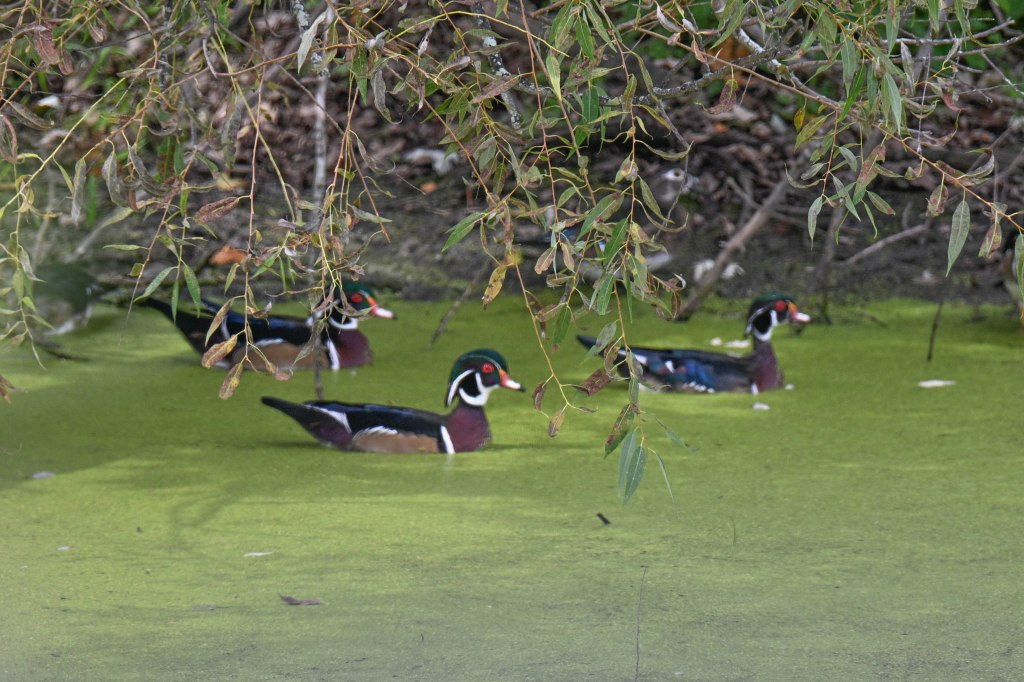
…but of course they flew instantly. That’s OK, I found these 3 guys just up the road.
Male wood ducks cruising the swamp.
So….herons, egrets, swans, pelicans and wood ducks. I can’t wait until the drive opens again next June. There will be babies to photograph by then. And you just never know what else. If I time it with migration there will be hundreds of sand hill cranes, or lots of little bouncy warblers.
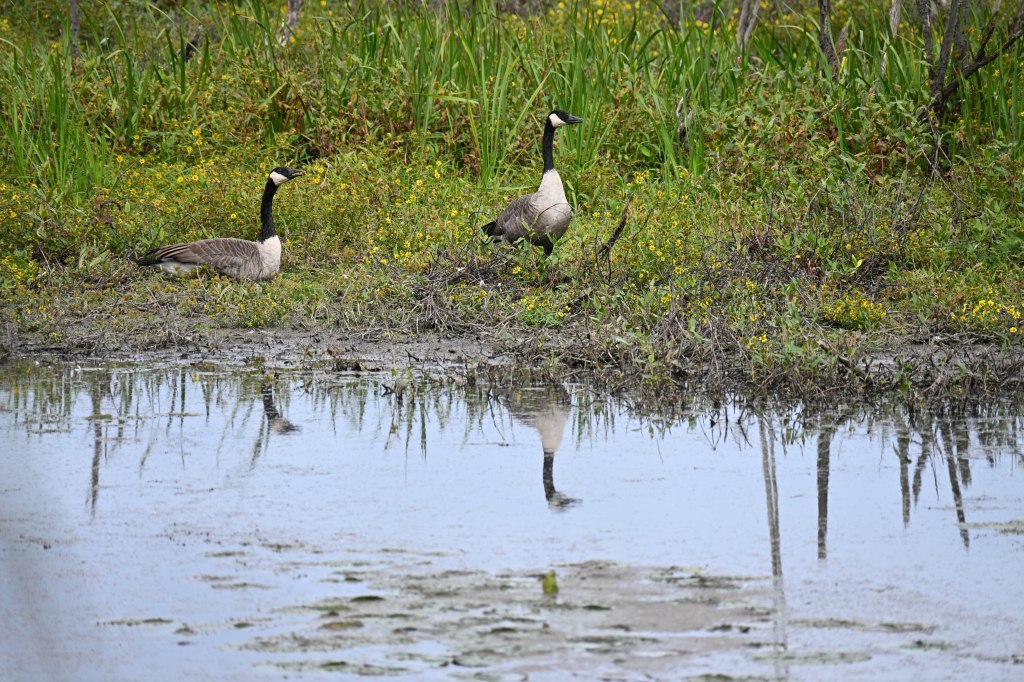
Just plain old Canadian geese, but still pretty.
Meanwhile I’m sure I’ll be up there a time or two to hike the trails. It’s harder to see birds in the woods, and no matter how quietly I try to walk they always hear me coming, but it’s a beautiful place on foot too.
An artsy image, just because.
If you’re ever over in my part of the world, let me know…I’ll go back up with you to see what we can see!
Thank you, Robin, for hosting Walktober again this year. I wouldn’t miss it, and I’m looking forward to seeing where everybody went on their own adventures!
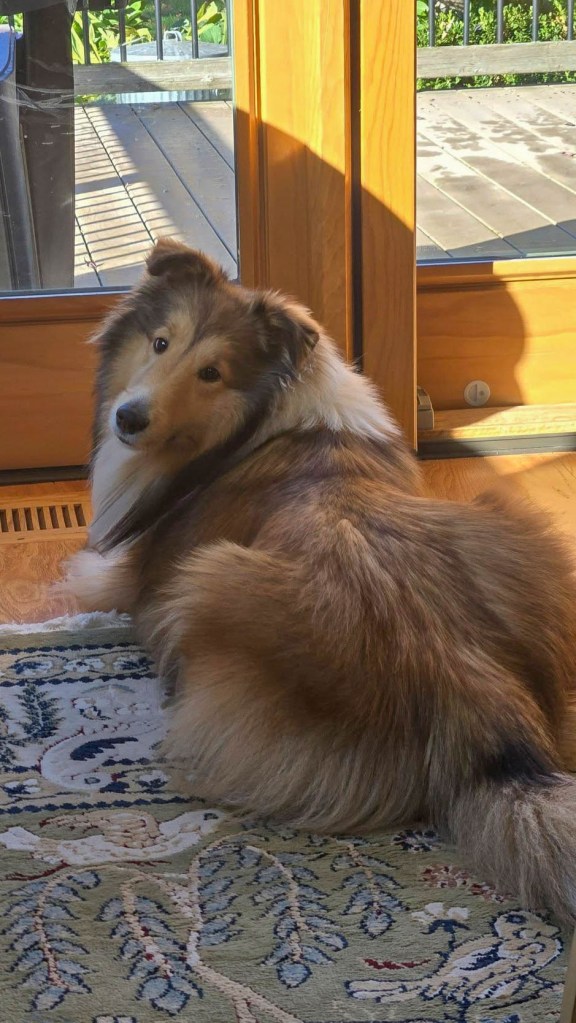
It’s October. That means I should be writing a Walktober post. Penny has already done hers. I am slower than my dog. But that’s always been the case. She didn’t have photos to process, plus she had a servant to do all the work involved in posting.
I have photos to process for my Walktober.
Anyway, I’m home from two short back to back trips and now I’m behind in everything and today is my first attempt to catch up. So am I writing that Walktober post? Nope. I have a bunch of photos to process for that first. So let me take you on today’s little adventure.
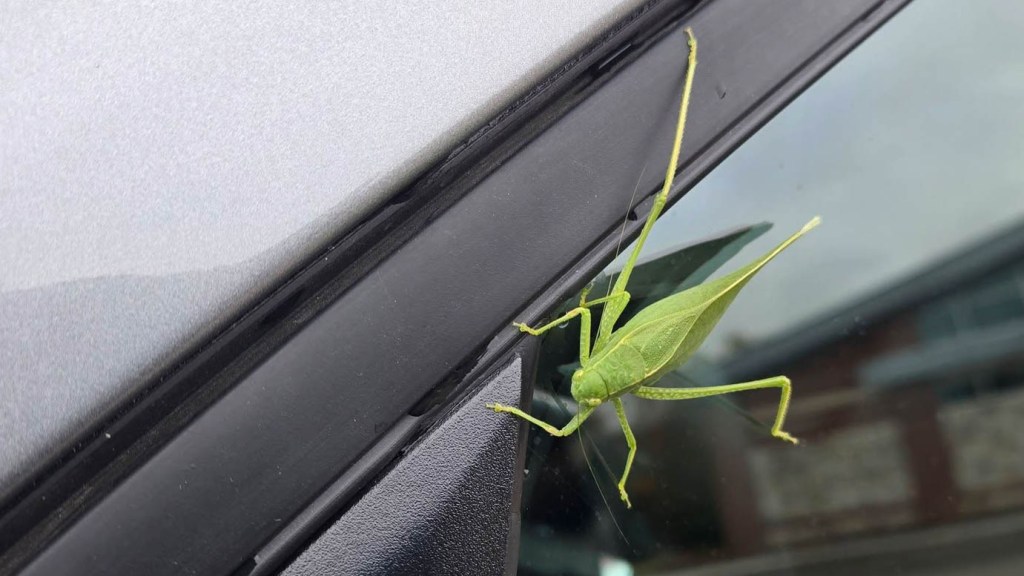
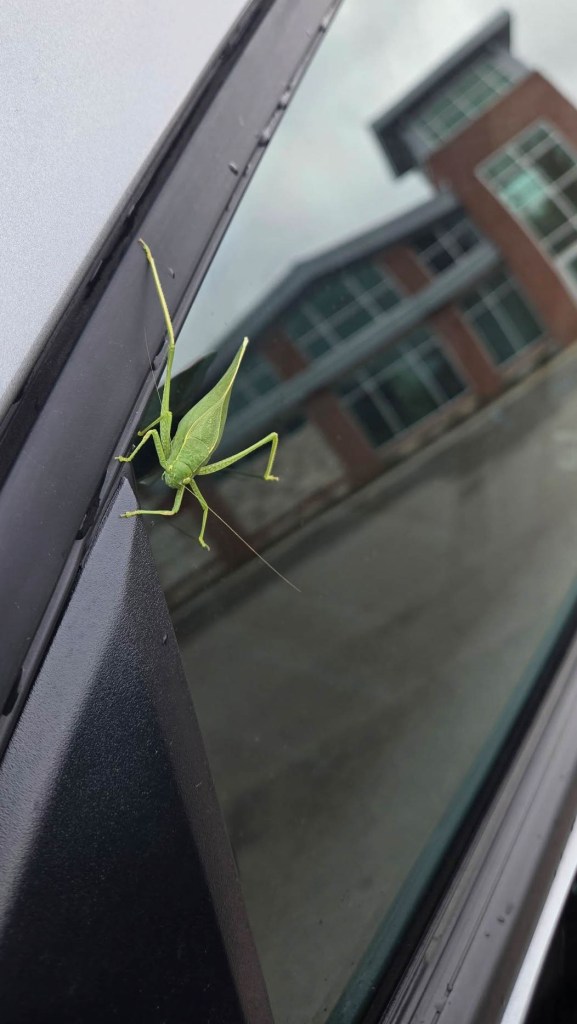
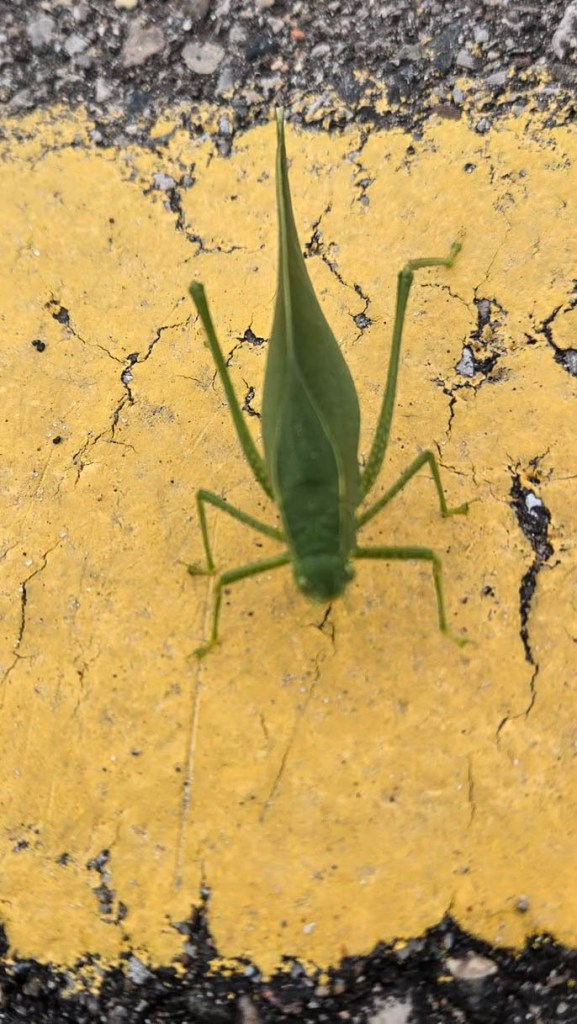
I was doing errands, you know, the dry cleaner, the grocery store, the bank. Somewhere between the grocery parking lot and the bank this guy attached itself to my driver’s side window. He or she was hanging on for dear life as I was tooling along.
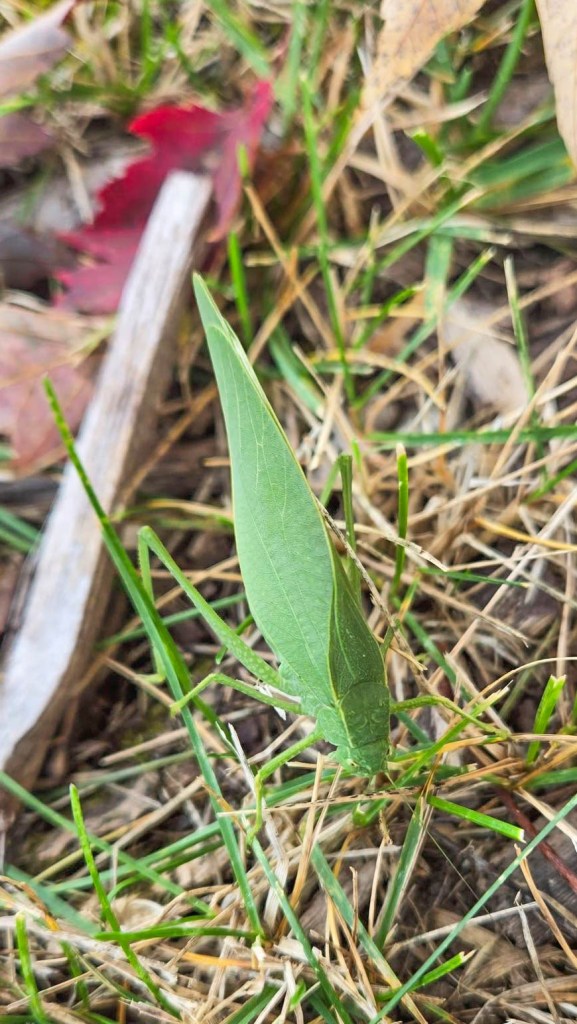
I pulled into an abandoned bank parking lot as soon as I noticed him. I got out, collected a couple red maple leaves from the bank’s decorative tree, and scooped the big ole bug up, intending to put him on the lawn under the tree.
He flew up my arm. I screamed like a girl. Then found him on the pavement by my feet.
I tried to shoo him toward the curb. That didn’t work. So I found a piece of wood from the bank’s mulch and he crawled up on that.
I deposited (see what I did there?) him and his stick in the grass. He seemed happy enough. I wish him well.
So what the heck is he?
(Sometime this week I hope to get that Walktober post up! But I have a lot of photos to sort through.)
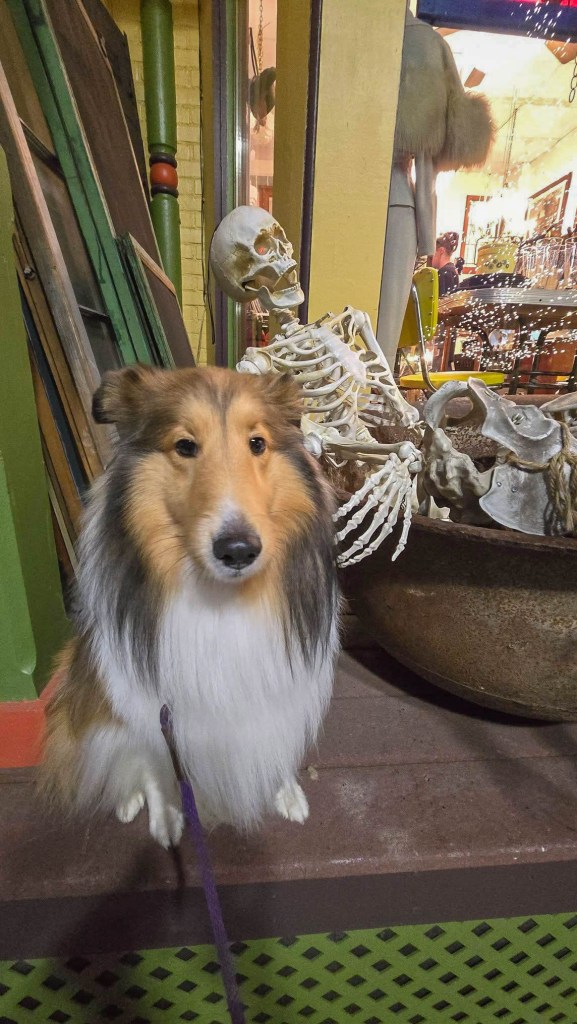
Hey you guys! I’ve been thinking about this Walktober thing. Mom says you go for a walk and then share it with everybody. Well. I went for a walk last Friday that was very October-ish so let me show you!
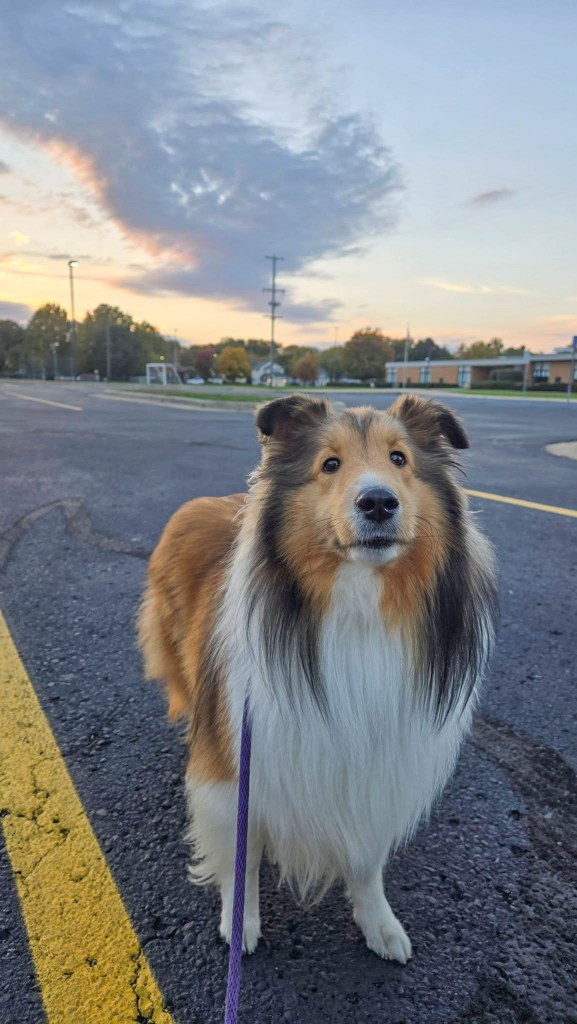
It all started last Friday when I met some of my group walk doggie friends in a parking lot in Fenton Michigan. We go for walks in different places around here every Friday evening. It’s supposed to help me hang with other dogs without stressing so much. Mostly it’s a fun thing to do.
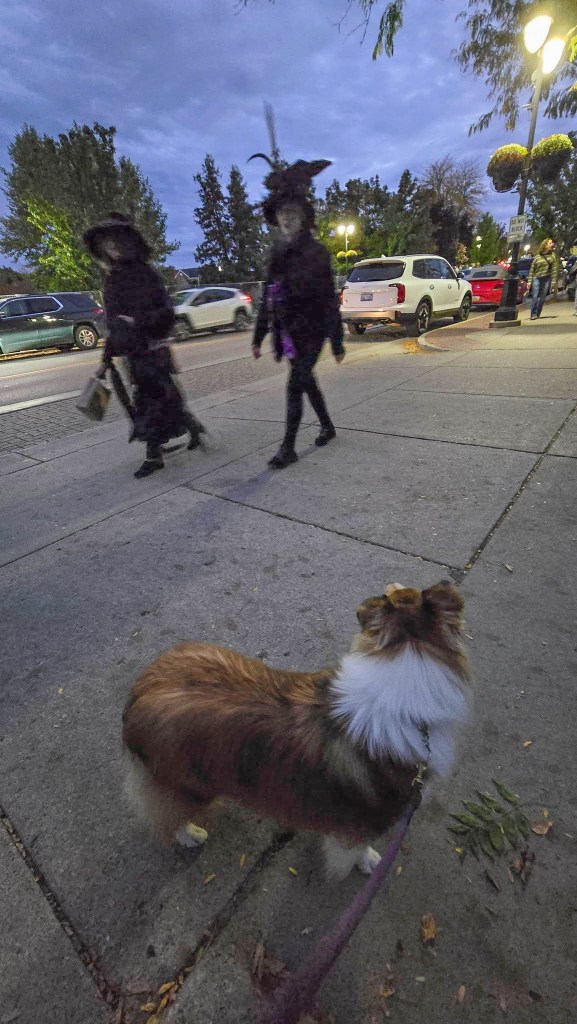
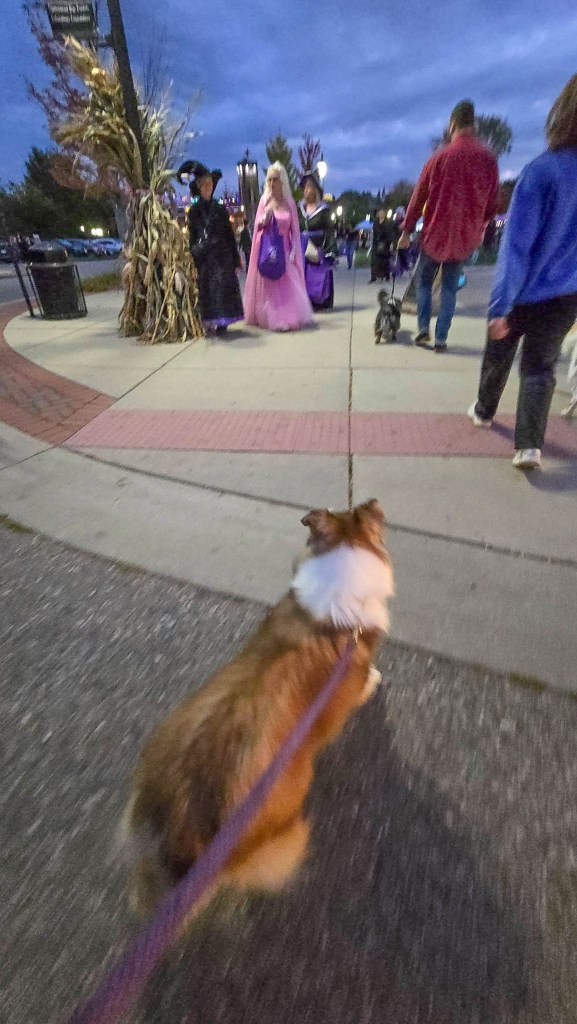
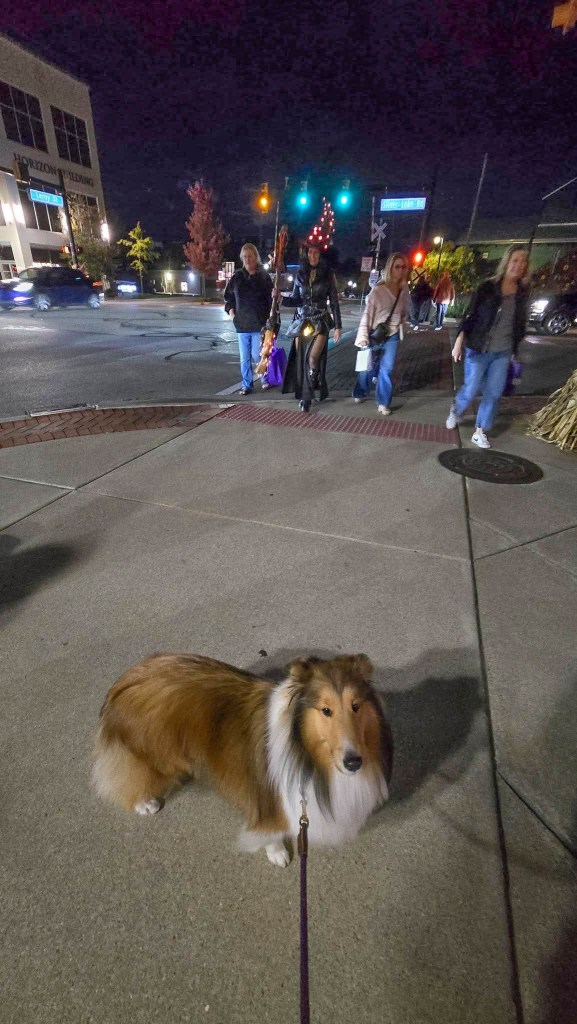
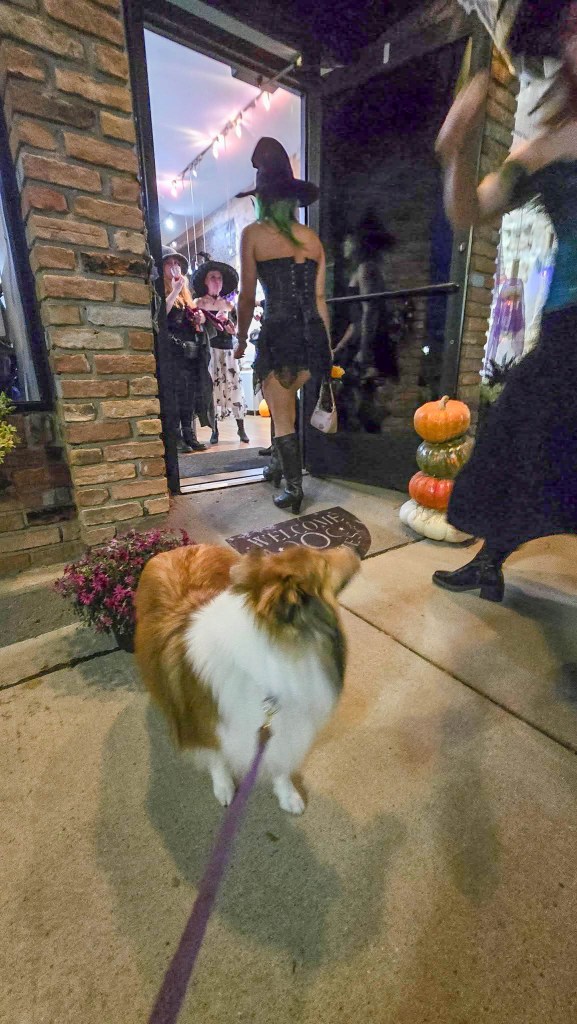
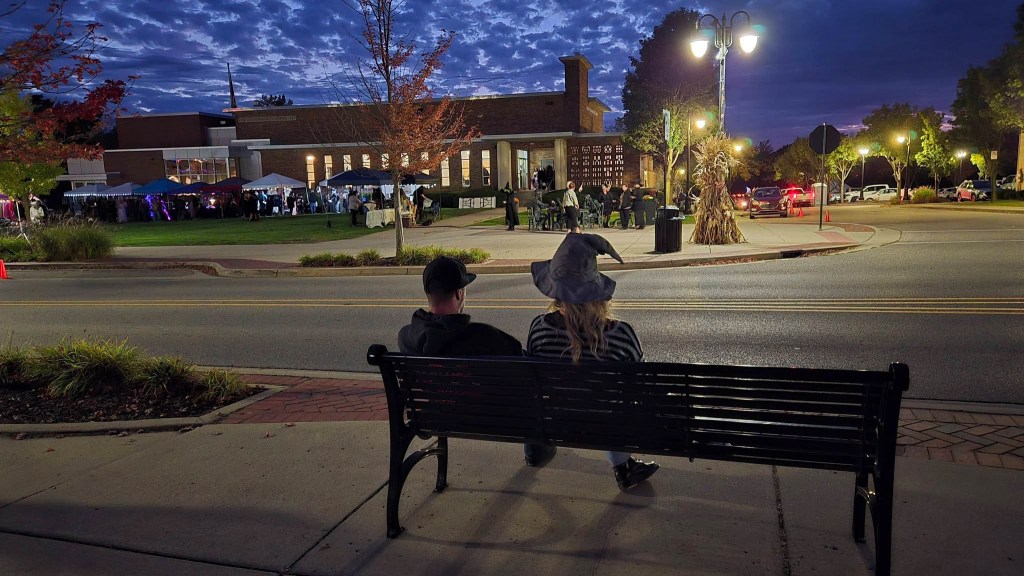
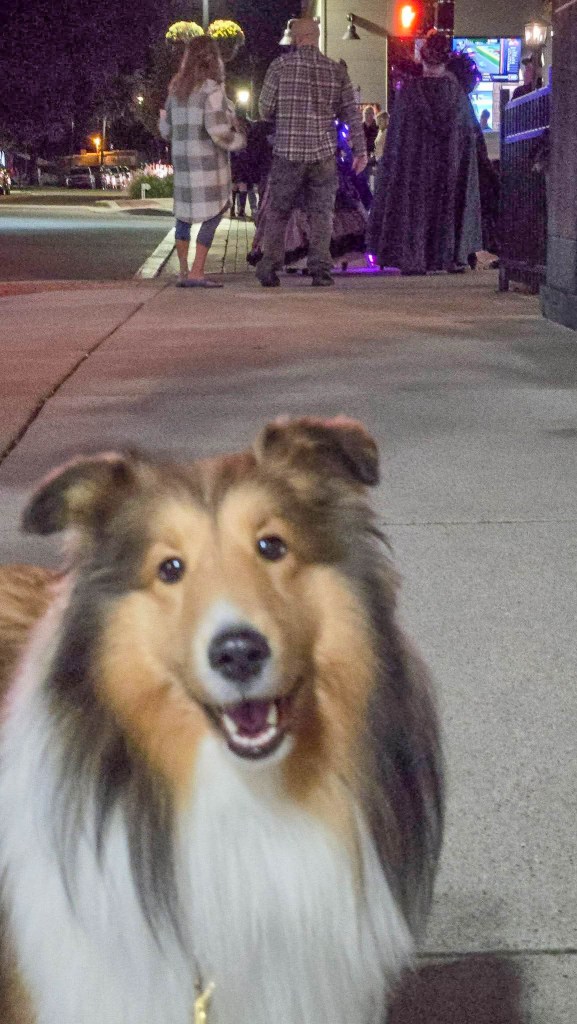
But this walk was entirely different! Fenton was filled with lots and lots of people, most of them witches! They were everywhere!
I wasn’t at all sure this was a good idea, but I was game to walk along because all the other dogs didn’t seem to think this was weird. Plus my mom was right next to me and she had the good treats in her pocket.
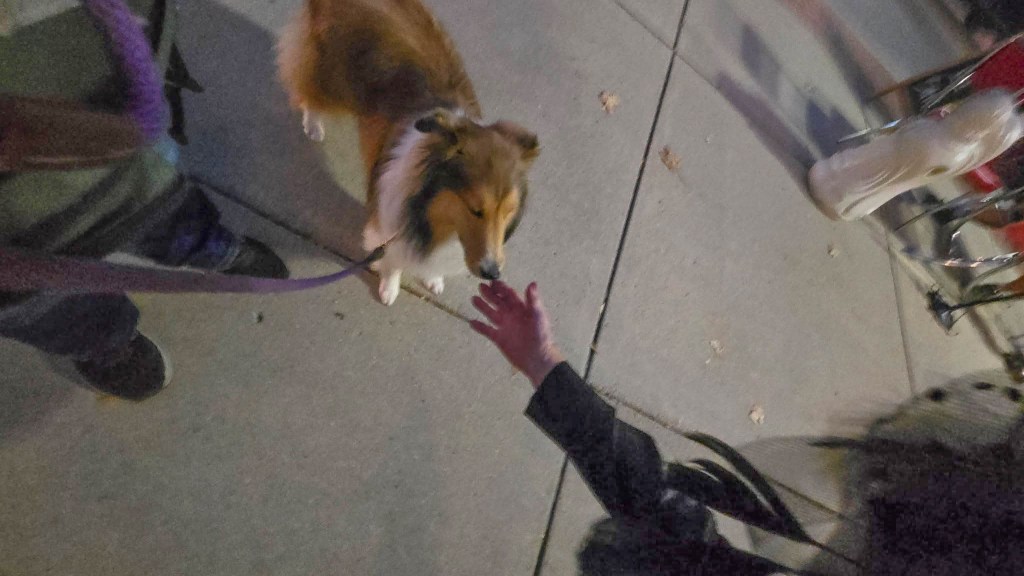
Lots of the witches wanted to meet me and a few of them smelled like nice people.
Mostly I just watched them come and go.
Mom asked me to sit next to things and mostly I said OK, but I refused to look happy about it.
I mean…really mom? This is what you call a Walktober?
It ended up being OK…I got lots of treats from mom, and then I slept all the way home.
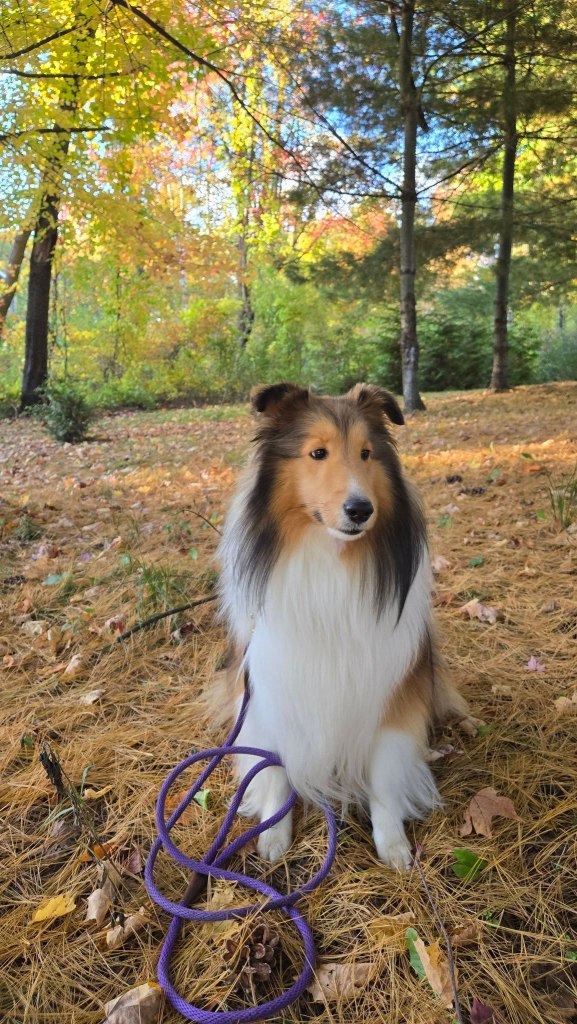
I don’t know. I thought Walktober was supposed to be about colored leaves and stuff. I mean, I sat in my own back yard Friday afternoon and that was pretty.
I don’t know what mom is doing for her own Walktober. She has to travel again real soon but she says she’ll get it all done! I hope hers isn’t as scary as mine was!
Apparently 11 years ago I thought I was old. Whoa baby. You didn’t know what old was back then. But it IS a pretty funny read, even if I’m the old person in the story.
In a few days it will be October. And do you know what happens in October?
Walktober!
Wait…what you say? What’s a Walktober? Well, if you’re new here you understandably need an explanation.
Years ago Robin over on her blog Breezes at Dawn started a tradition she named Walktober. She encourages everyone to go out for a walk in October, maybe take a few pictures, and then write a blog post about it and link that post to her blog. Then she collects them all and does a summary post with links to everybody’s walks. That way we all get to see where everybody went, a glimpse of their corner of the world.
Walktober has been so much fun and I always look forward to it. This year Robin has chosen October 11 through October 20 as the ‘official’ Walktober period. But if you’d like to walk prior to that, go for it. And if you need a few more days to get your post up, well, Robin is usually able to accommodate you, just let her know.
And even better, your Walktober doesn’t have to actually be a walk. It could be a bike ride, or a drive, or a kayak float down a river. You can rollerskate, or skip, or go for a run. It can be rural or urban or somewhere in between. Heck I did my Walktober in my own back yard once, and another time in downtown Detroit. Often I’ve gone out to parks to show everyone what fall looks like around here.
So think about what you’d like to show us this October. I can’t stress enough how fun this is. Everybody needs a bit of time and space to get outside during these days. You can use your Walktober to give yourself some grace or to just look around with fresh eyes. We want to see what you see.
I’m looking forward to seeing what you all come up with. Mark your calendar. Robin will post the official Walktober post closer to October 11th.
As an aside, Penny is deliberating where she should take all of you. She thinks I don’t know this, but moms are all knowing. Stay tuned.